“Schools that Care” Program Earns Design and Implementation Certification
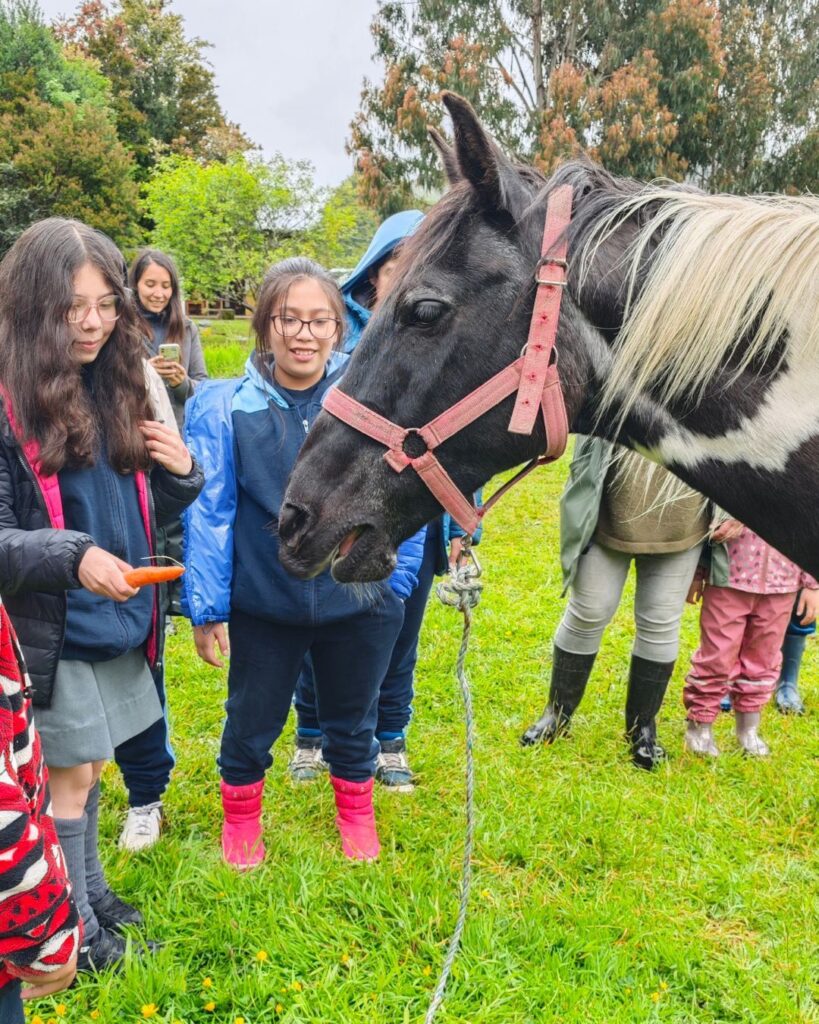
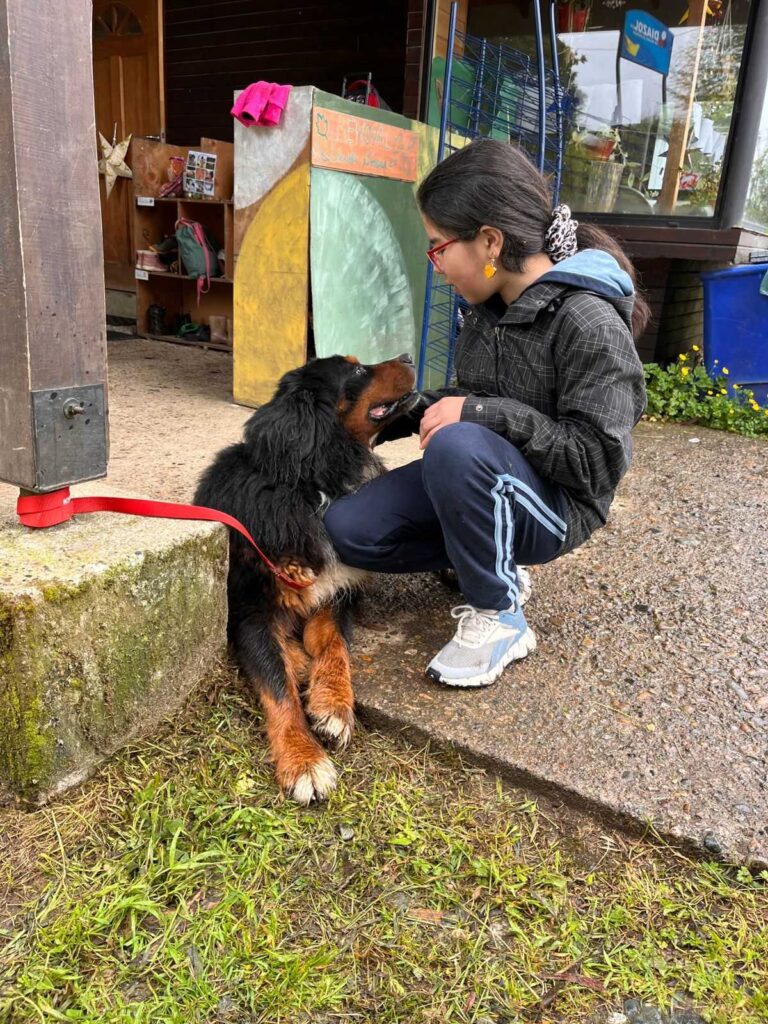
September 24, 2026Sometimes, moving forward means taking another look at the road already traveled. That is precisely what the team at Fundación Kreen has been doing over the past few months with Schools that Care: One Health for Coexisting with People, Pets and Nature, a program designed to promote responsible coexistence with companion animals through a One Health approach.
After years of working alongside teachers, students, and school communities in Puerto Aysén, a new challenge began in March 2026: the Schools that Care: One Health for Coexisting with People, Pets and Nature program entered an external evaluation process to take an in-depth look at how it had been designed and how it was being implemented.
The results of that process came a few months later, in August 2026. Schools that Care received Design and Implementation certifications from the Mi Brújula program database, an initiative of Fundación San Carlos de Maipo, an organization that works to develop programs capable of generating evidence of their effectiveness and impact. The platform provides communities and decision-makers with information on social programs—both public and private—that have been evaluated and certified against quality standards.
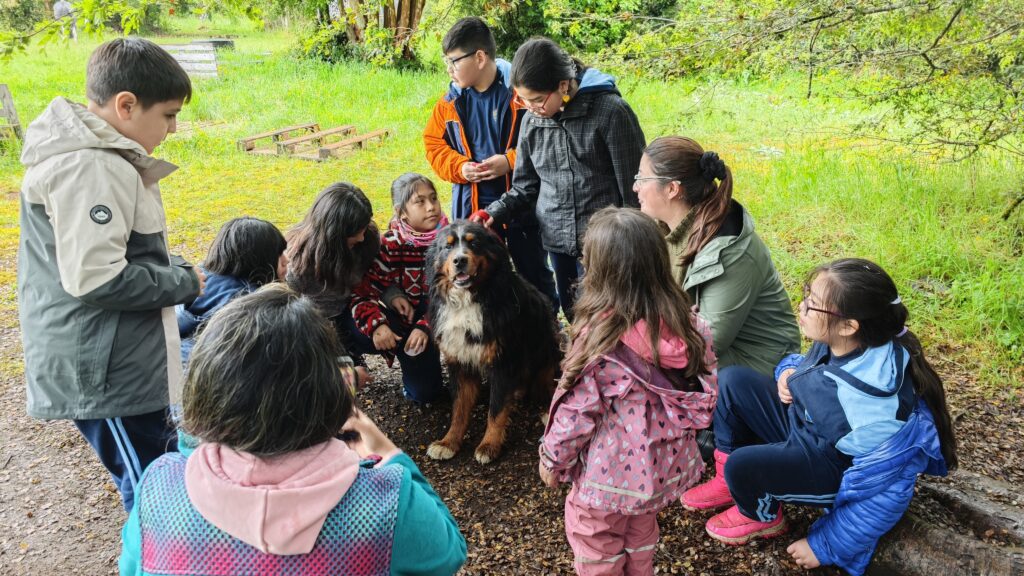
More than a seal of approval, this certification marks a new milestone in the journey of an initiative that emerged in response to a specific local challenge—irresponsible pet ownership—and is now moving toward increasingly robust, evidence-informed implementation.
The issue became particularly visible to Fundación Kreen in 2023, following a socio-ecological assessment conducted in the rural communities of Río Los Palos and El Tabo, in Puerto Aysén. The study found that more than 80% of households had at least one dog or cat, and that in more than half of these cases, the animals did not receive basic preventive veterinary care or have their movements adequately restricted.
These circumstances were compounded by cases of abandonment, attacks on people, disease transmission, and predation of wildlife and livestock, as well as a significant lack of awareness about regulations and the impacts associated with pet ownership. In a region where more than 50% of the land is designated as protected wilderness and which also has one of the highest rates of animal bites in the country, living alongside companion animals presents particular challenges. In addition, hydatid disease is considered hyperendemic in the area. Together, these factors reinforced the need to address human-animal coexistence from an integrated perspective—one that brings together animal welfare, human health, and biodiversity conservation.
Looking at the Program from the Outside
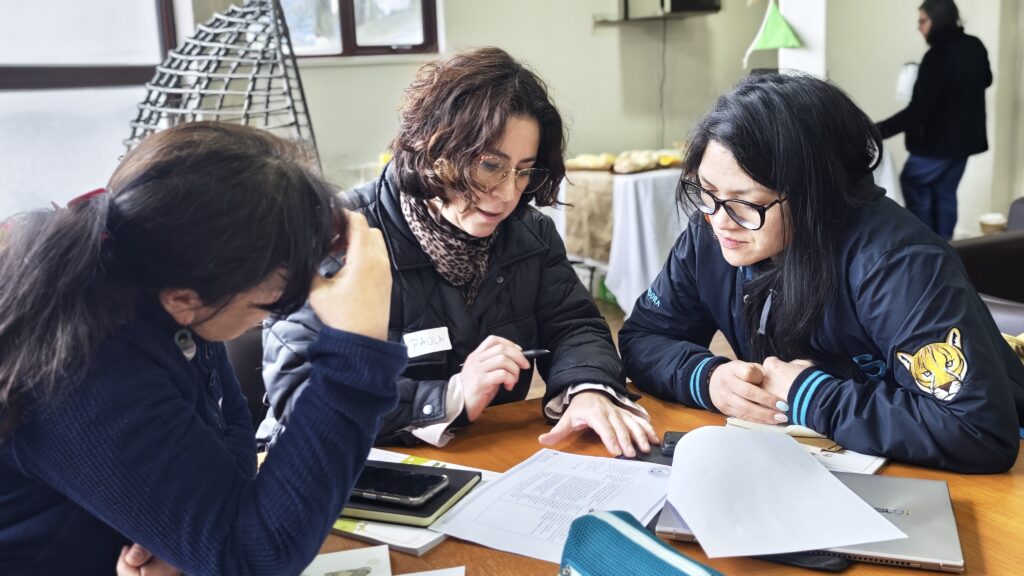
Holística Social accompanied Fundación Kreen throughout the certification process. Over several months, the team gathered supporting documentation, organized information, reviewed methodologies, and answered questions that went to the heart of the intervention: What problem is the program seeking to address? How does each activity contribute to that objective? How do its different components fit together? What capacities are left in place within school communities?
The process required the team to bring to the surface decisions, lessons learned, and assumptions that had gradually taken shape over time. “Working with Holística Consultora was extremely valuable in helping us understand in depth how to create and structure a social project,” explains Estefanía Torres, Coordinator of Introduced Species Management at Fundación Kreen and coordinator of the Schools that Care Program.
The review made it possible to look holistically at what had, until then, grown out of a range of different experiences: teacher training, workshops with students, hands-on activities, work with school leadership teams, and efforts to progressively incorporate responsible pet ownership and the One Health approach into school communities themselves.
In other words, the process made it possible to ask not only what Schools that Care does, but also why it does it that way and how each of its actions contributes to the change it seeks to bring about.
What Does It Mean to Certify a Program?
The Mi Brújula system evaluates social initiatives based on three pillars: Design, Implementation, and Evidence. At this first stage, Schools that Care received certification in the first two.
Put simply, Design certification examines whether there is coherence between the problem identified, the objectives being pursued, the population being served, and the activities proposed to achieve the expected outcomes. Implementation certification, meanwhile, focuses on the program’s capacity to translate that design into practice in an organized and consistent way.
Both evaluations are conducted from an external perspective, making it possible to contrast the program team’s own assessment with independent technical standards. For Fundación Kreen, this was one of the most valuable aspects of the process.
“More than just a learning experience, it meant incorporating a methodology that can be applied to all the community engagement programs we develop at the Foundation,” says Francisca Bahamondes, Coordinator of Outreach and Territorial Engagement.
In this sense, the work carried out does not end with Schools that Care. The experience provided tools for developing new initiatives, clarifying their objectives from the outset, and strengthening the way the foundation designs and evaluates its territorial engagement programs.
Certification Also Means Identifying What Is Missing
Obtaining a certification might seem like the finish line. For the team, however, it also became a roadmap. The external evaluation made it possible to recognize strengths while also identifying gaps and opportunities for improvement.
And that is precisely one of the reasons why processes like this matter: they push programs beyond intuition and good intentions toward interventions that can clearly explain what they aim to change, how they expect to achieve it, and how they will know whether they are meeting their objectives.
In a context where social needs are diverse and resources are limited, having initiatives assessed against common standards can provide greater assurance to communities, institutions, partners, and potential funders. It also raises a question that will be central to the next stage of Schools that Care: What evidence can the program provide of the changes it generates? That will be a new challenge in a process that is still evolving.
Schools that Care was created to transform the way we relate to animals, people, and our environment. Its own evolution now calls for applying that same principle: looking closely at what has been done, understanding its effects, and continuing to build on the evidence.