
Chronicle of the First Edition of «Pomp-on: Music, Art and Conservation Sessions»
June 22, 2026On Saturday, June 13, 2026, shortly before 5:00 p.m., local residents began arriving at the Puerto Aysén Public Library to commemorate World Peatlands Day through an event that promised music, artistic creation, and environmental reflection. It was the inaugural edition of Pomp-on: Music, Art and Conservation Sessions, an initiative organized by Fundación Kreen’s Outreach and Engagement team.
EstThe event aims to raise awareness about the importance of protecting peatlands—known locally as pomponales. These ecosystems are essential to the planet’s balance and are deeply intertwined with the history and identity of Patagonia. The initiative also seeks to establish itself as a regional benchmark for fostering dialogue between art, culture, and conservation, creating a space for community gathering around one of the ecosystems that sustain life in Aysén.
Nearly 50 people attended the event, far exceeding the number of registered participants and reflecting the enthusiasm and anticipation generated by this first edition.
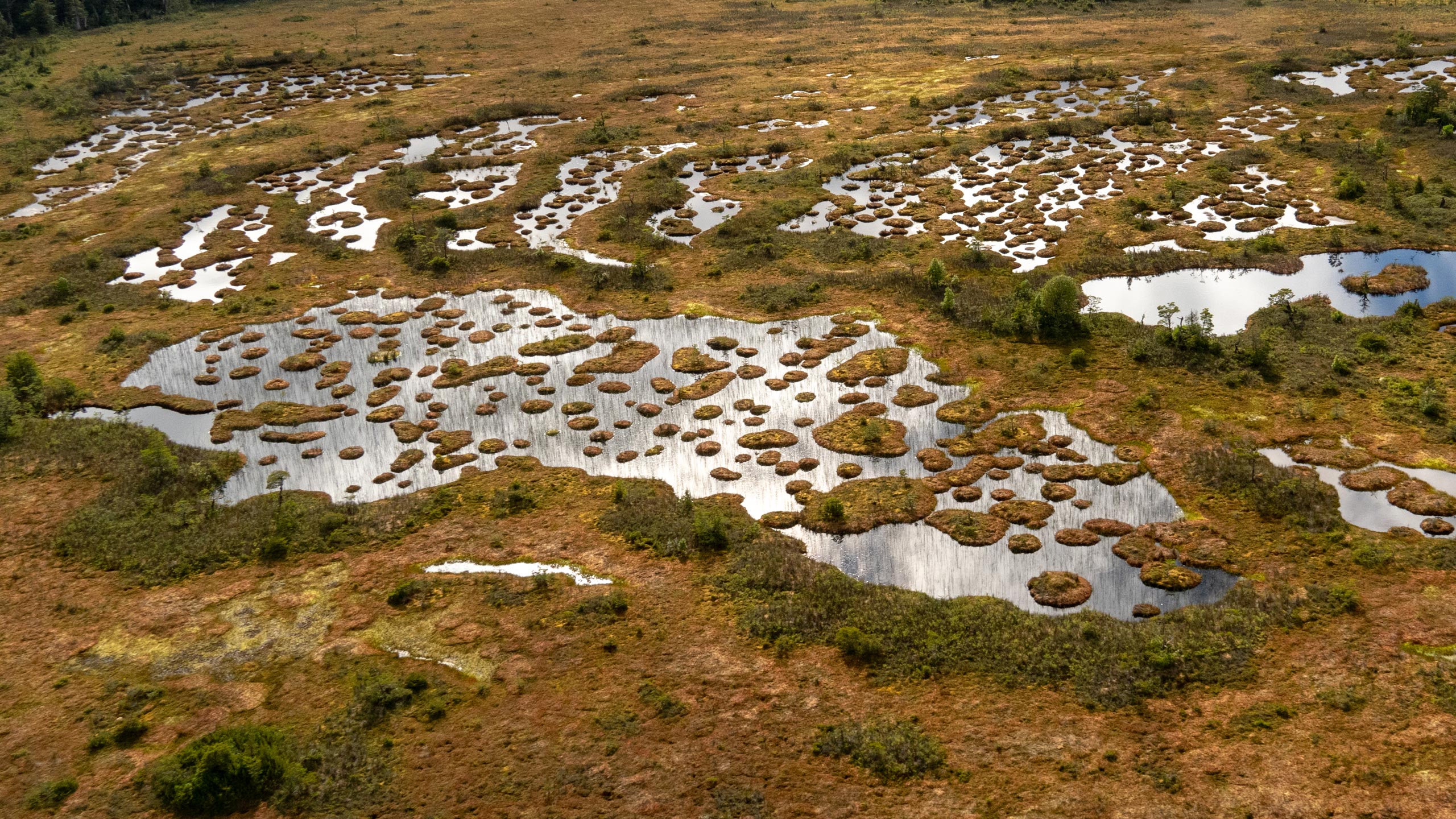
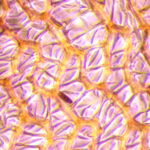
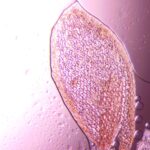
Puerto Aysén is surrounded by peatlands and other wetlands that are an essential part of the landscape and ecological balance of the territory. These ecosystems perform vital functions: they act as natural freshwater reservoirs, help regulate and mitigate flooding, filter the water we consume, store vast amounts of carbon, and provide habitat for unique biodiversity. Together, these functions make them fundamental to both life and environmental resilience in the region. Aware of their importance, Fundación Kreen set out to bring these ecosystems closer to the community, this time from a less scientific perspective, appealing instead to the sensitivity and connection that artistic expression can foster.
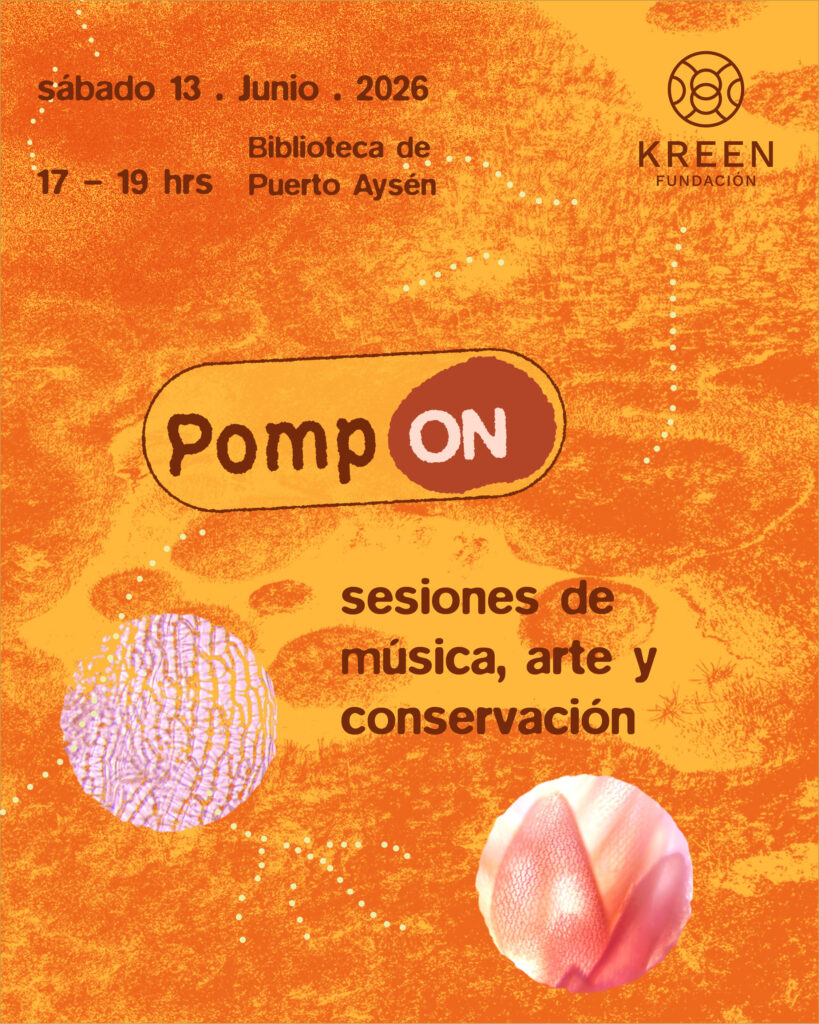
The event opened with welcoming remarks by Francisca Bahamondes, Outreach and Engagement Coordinator at Fundación Kreen. In her address, she shared the vision that inspired the first edition of Pomp-on, emphasizing the importance of creating spaces where community, art, and peatland conservation can come together. She also introduced the invited artists, who would set the tone for an afternoon shaped by creativity, music, and environmental reflection.
Next, writer Cristian Arregui, representing the Aysén Geopoetics Group, presented the art exhibition created especially for the occasion in collaboration with fellow members of the collective. The exhibition featured five works that, through different techniques and perspectives, explored the relationship between people and Patagonia’s ecosystems. The pieces included:
- Glaciers Dream of Us Through Lichens and Mosses (cyanotype), by Tania Morgado.
- Seasonal Fragments in a Pomponal (illustration), by Johanna Contreras.
- Wetlands of Puerto Aysén (printmaking), by Cristina Pustela.
- The Pain of the Peatland (oil painting), by Pablo Lema.
- The Glacier’s Dreams (mixed media and digital art), by Cristian Arregui.
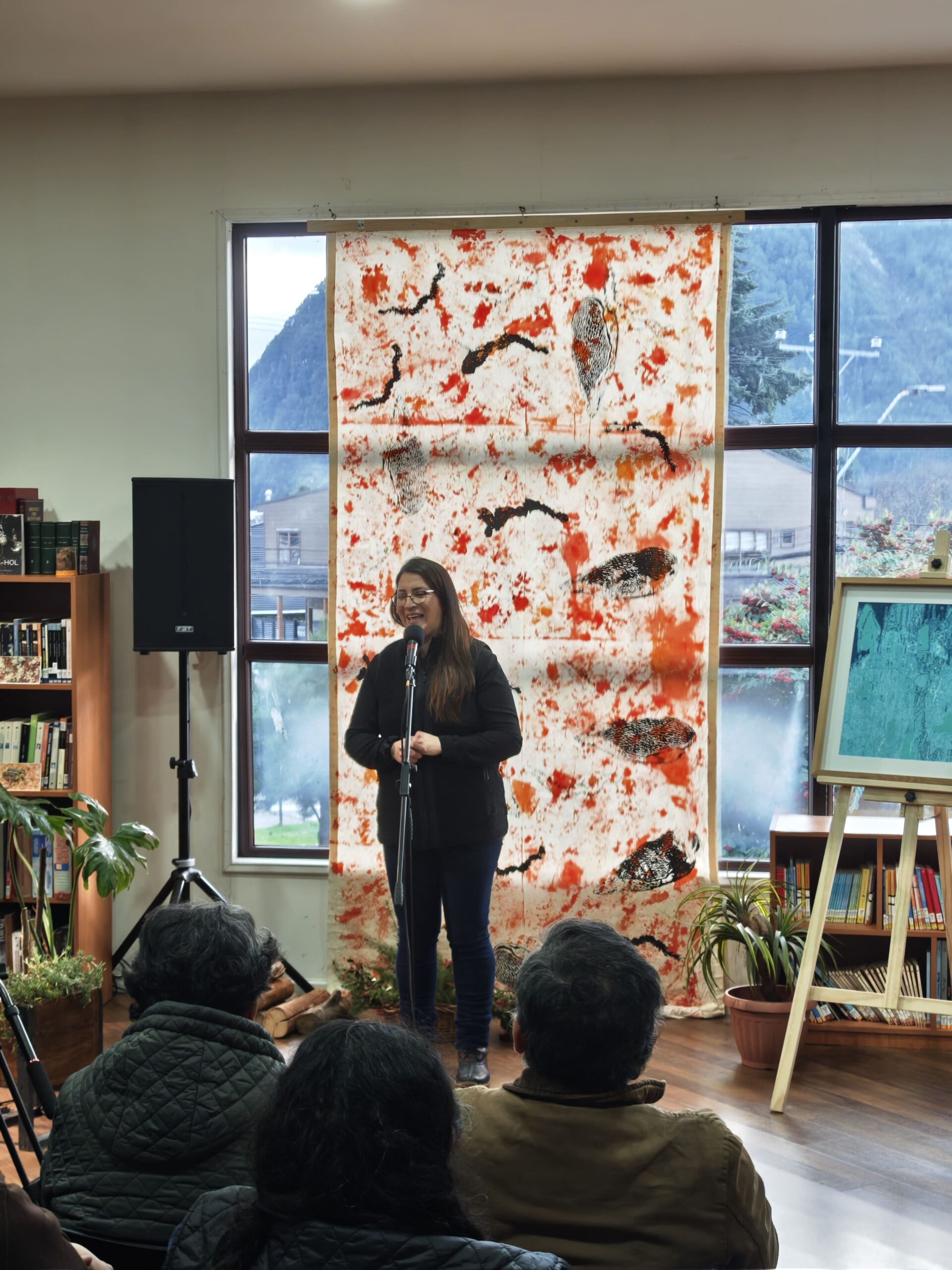
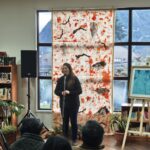
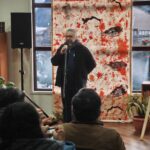
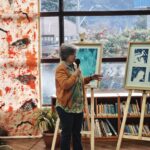
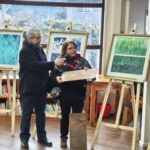
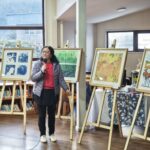
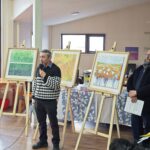
In his remarks, Arregui delved into the concept of geopoetics, describing it as a way of approaching the relationship between human beings and their surroundings. More than a circumstantial bond, he explained, it is a profound connection that shapes the way we inhabit a place and gives meaning to the experience of living—particularly in a region where nature forms an inseparable part of the collective identity. Following his introduction, each artist had the opportunity to present their work and share the motivations, creative processes, and reflections that brought their pieces to life.
The segment concluded with the reading of a poem written by Arregui himself, a piece that guided the audience on an imaginary journey from the peatlands to the glaciers, tracing the invisible thread of water that connects these ecosystems. It was an intimate and evocative moment, inviting attendees to reflect on the profound interdependence between landscape, memory, and life.
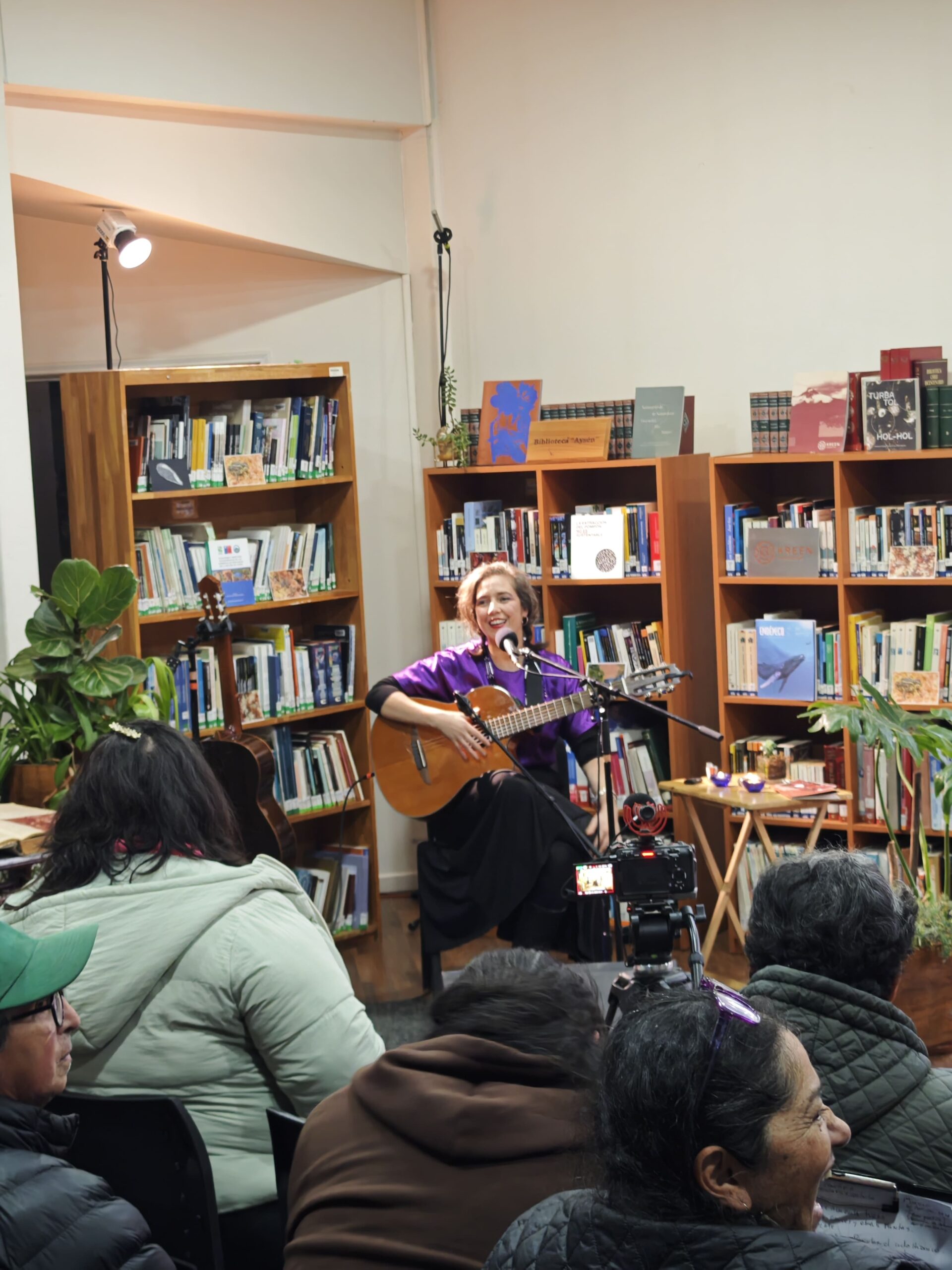
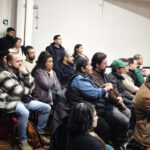
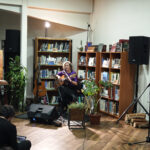
The second half of the event was introduced by Carlos Mendoza, Executive Director of Fundación Kreen, who invited attendees to continue this journey between art and conservation through music. Taking the stage, regional singer-songwriter Naara Andariega offered an intimate and heartfelt performance, with her songs and voice tracing a path toward what is deeply human, as well as toward the land and the natural world. Song after song, she wove an atmosphere of closeness and contemplation, connecting with the emotions and memories of those gathered in the room.
Joining the session as a special guest was Claudia Oyarzo Sansana, a Mapuche representative and member of the socio-environmental collective Rüpulen. Drawing on the worldview of her people, she shared reflections on biodiversity and water, offering an ancestral perspective on the relationship between people and ecosystems. Her words enriched the gathering by reminding the audience that nature is not a resource separate from human life, but part of a shared web that sustains cultures and territories alike.
Naara Andariega’s performance concluded with three final songs, which were met with enthusiastic applause from the audience. The evening reached its finale with a lively cueca that sparked both applause and smiles among attendees, who even called for an encore. It was a joyful and moving conclusion to a day shaped by music, art, and reflection on peatlands and their importance to Aysén.
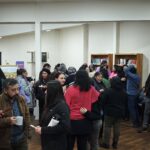
Off the stage, the first edition of Pomp-on 2026 came to a close with a cocktail reception that offered a space for conversation and connection. Amid embraces and lively exchanges, artists, organizers, and attendees shared the impressions, emotions, and ideas that had emerged throughout the day. It was a moment of collective reflection that extended the spirit of the gathering and left open an invitation to continue building, through community and artistic sensitivity, new ways of relating to the ecosystems that sustain life in Patagonia.
Other news

Join the second edition of FECINART Kreen: “Glaciers: Waters That Come From Afar”

Registration is now open for the Audiovisual Creation Workshop that will take place within the framework of FECINART Kreen 2026
