From Huichas Island, Local Knowledge Offers Insight into the Medicinal Potential of Patagonian Flora
October 7, 2026As part of the “Healing Plants: An Encounter of Botanical Knowledge” program, Fundación Kreen visited Huichas Island to learn about and highlight local knowledge surrounding the use of medicinal plants. The visit included interviews, community workshops, and meetings with local stakeholders, as part of a research initiative that seeks to bring traditional knowledge into dialogue with the scientific study of native flora in the Meullín-Puye Nature Sanctuary.
Fundación Kreen’s research on native plants in the Meullín-Puye Nature Sanctuary goes beyond studying their characteristics and bioactive compounds. It also includes a community engagement component focused on the people who live in the region. From this perspective, understanding how local communities interact with plants, the uses they attribute to them, and how this knowledge has been passed down through generations is essential to understanding the cultural context in which the project is being developed.
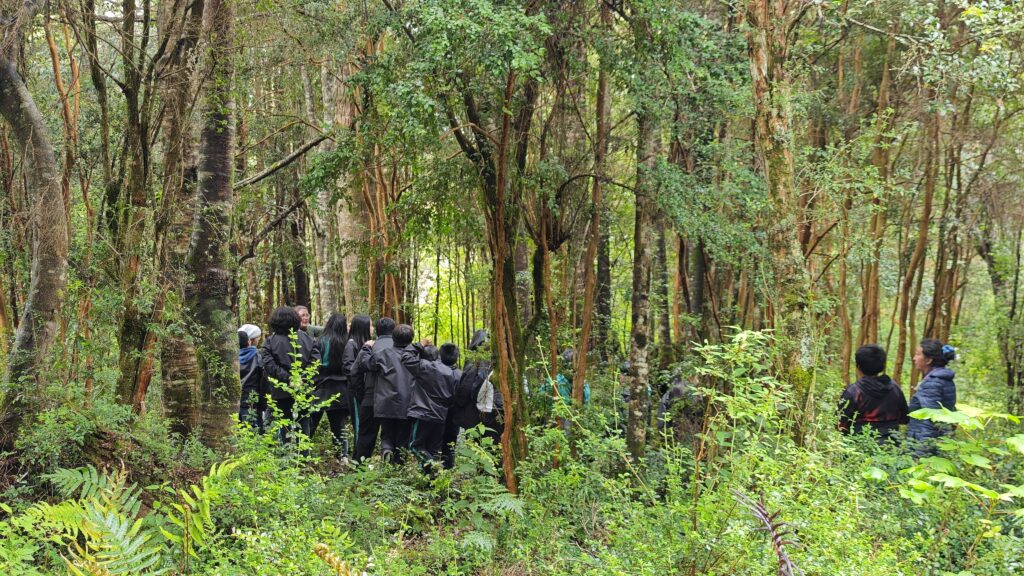
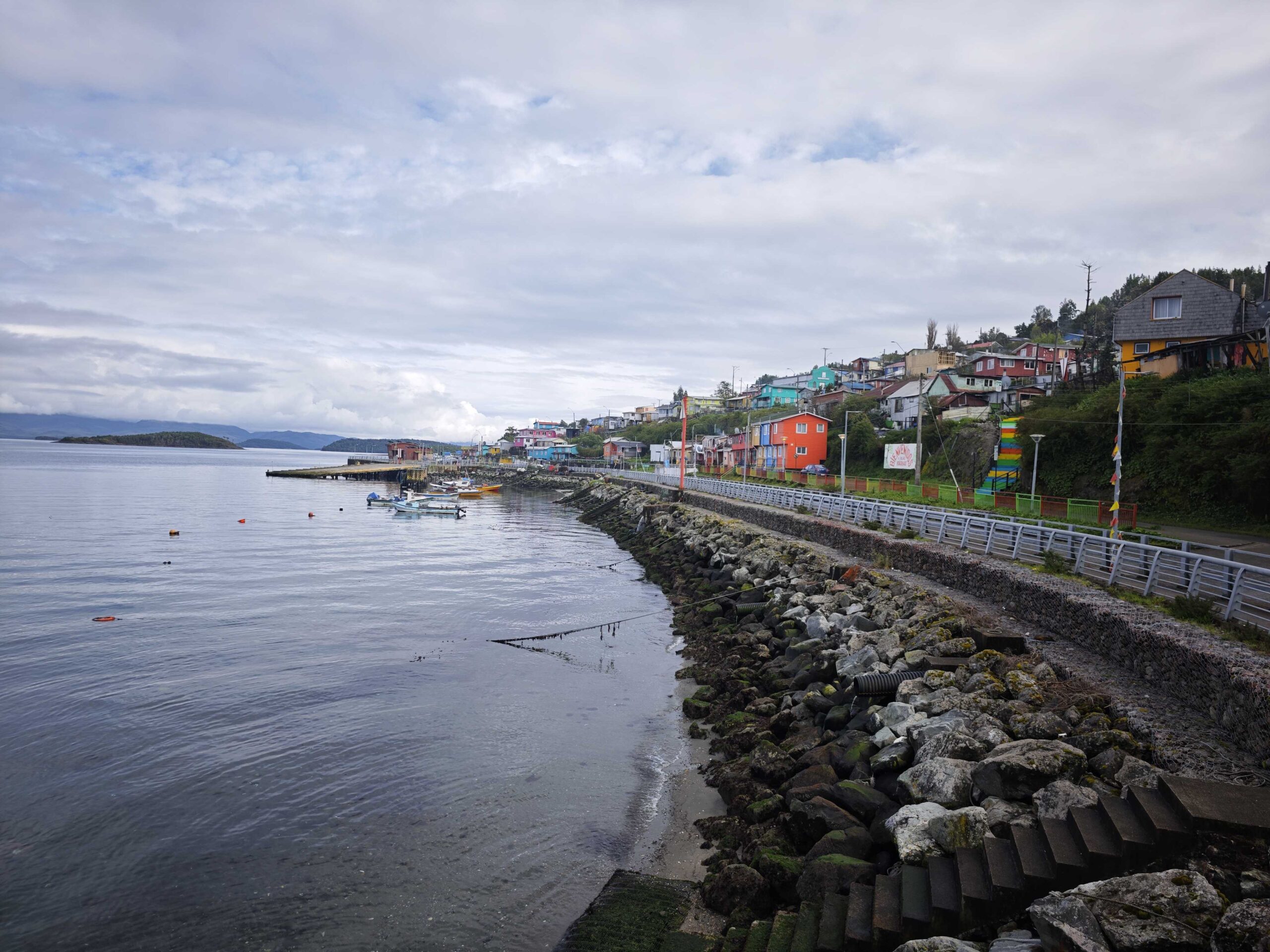
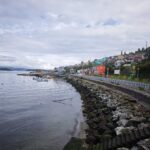
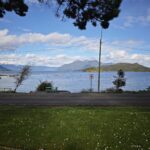
Reaching Huichas Island means leaving the mainland behind and setting out from Chacabuco by boat. From there, Eduardo Muñoz, Fundación Kreen’s Terrestrial Ecosystems Coordinator, and cultural manager and food engineer Lorna Moldenhauer boarded a barge bound for this island territory in the Aysén municipality. After nearly five hours of sailing, they arrived in a community made up of the settlements of Puerto Aguirre, Estero Copa, and Caleta Andrade.
The journey also marked the beginning of an opportunity for meaningful exchange. Once on the island, the team met with a range of local stakeholders to hear their stories, learn about their knowledge of medicinal plants, and better understand their everyday relationship with the natural environment around them.
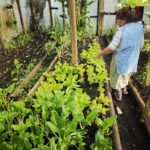
One of the first connections was made with teachers at Carlos Condell School, who helped put the team in touch with island residents with knowledge of medicinal plants. This led to conversations with five women from different generations, all born on Huichas Island, who continue to draw on knowledge related to gathering, growing, and using plant species found in their surroundings.
The conversations shed light on practices that remain part of everyday life in the community and are closely connected to caring for people’s health. The women shared experiences involving plants they gather or grow, preparation methods, and uses they have learned throughout their lives. In many cases, this knowledge has been passed down through their families and shaped by their own experiences in the territory.
For the Fundación Kreen team, the experience highlighted that knowledge about plants is about much more than identifying species or understanding their properties. It also encompasses ways of living in and relating to the land, cultivation and gathering practices, family experiences, and networks through which knowledge is passed on—all of which form part of the community’s identity.
The visit also brought other perspectives into the conversation. Staff at the local health clinic have first-hand knowledge of the ways residents commonly use medicinal plants, while also expressing an interest in accessing more scientific information to better understand their properties and guide their use. Educational institutions, meanwhile, have also shown interest in developing initiatives focused on growing and identifying plants, particularly among children and young people.

Sharing Knowledge Across Generations
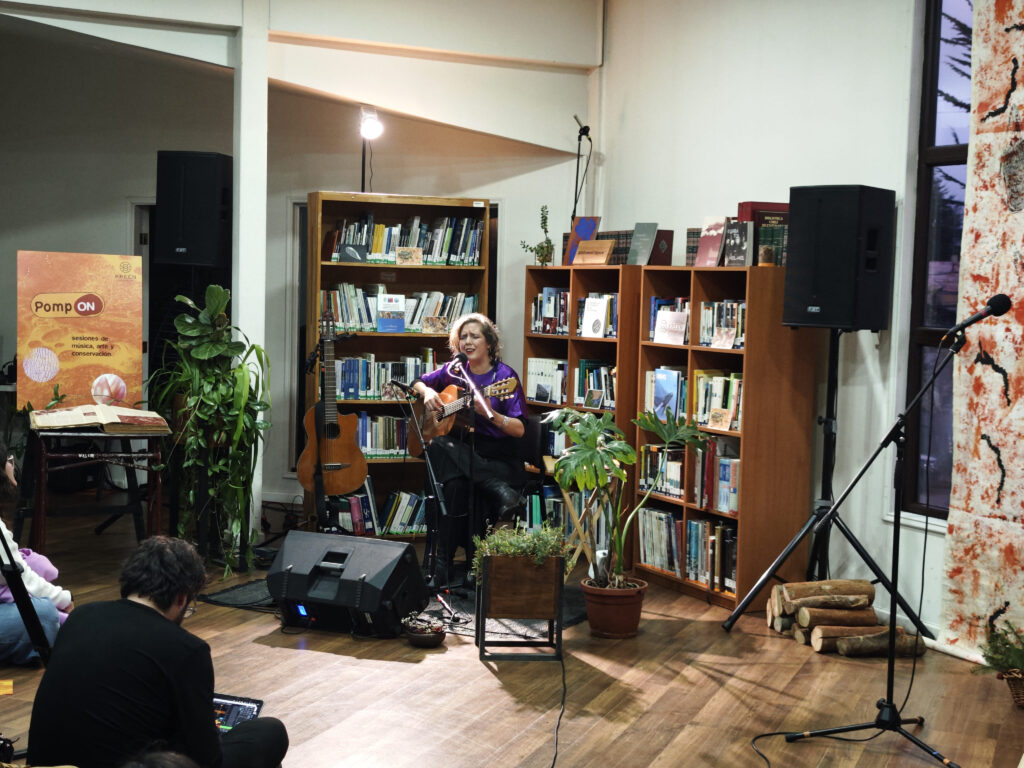
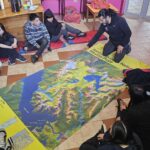
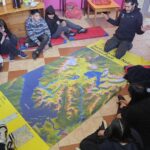
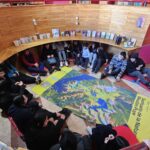
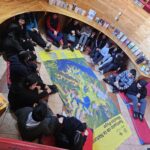
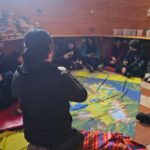
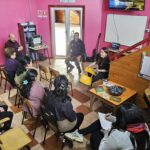
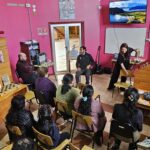
As part of the visit, two community workshops on medicinal plants were held. One was aimed at children between the ages of 10 and 14, while the second brought together adult members of the community.
The workshops created a space for conversation and mutual learning. Younger participants demonstrated familiarity with a range of plants and some of their uses, while adults shared their experiences and knowledge and raised questions about cultivation, plant varieties, and the conditions needed for different species to thrive.
Rather than simply serving as opportunities to provide information, the workshops allowed the team to gather perspectives and knowledge that will inform the social dimension of the project. Bringing different generations together also underscored the importance of keeping spaces open for the transmission of this knowledge.
One of the most significant outcomes of the visit was, precisely, the creation of new ties with the community. Participants’ interest in learning about the research findings opens the door to continued collaboration and an ongoing exchange that can help ensure that scientific results make their way back to the territory where the research began.



A Research Project Connecting Territory and Science
The visit to Huichas Island is one of several community engagement activities carried out as part of Fundación Kreen’s research project on native plants and their bioactive compounds. While the scientific component focuses on analyzing species collected in the Meullín-Puye Nature Sanctuary, the fieldwork with local communities seeks to understand the knowledge and practices surrounding medicinal plants in the communities of Aysén.
The project continues to advance with the analysis of collected samples and the gathering of information from local communities. The findings will subsequently be shared through public activities, with the aim of bringing back to the communities some of the knowledge generated through the research.