The Kreen Foundation promotes participatory meetings for the conservation and territorial management of the Meullín-Puye Nature Sanctuary
May 6, 2023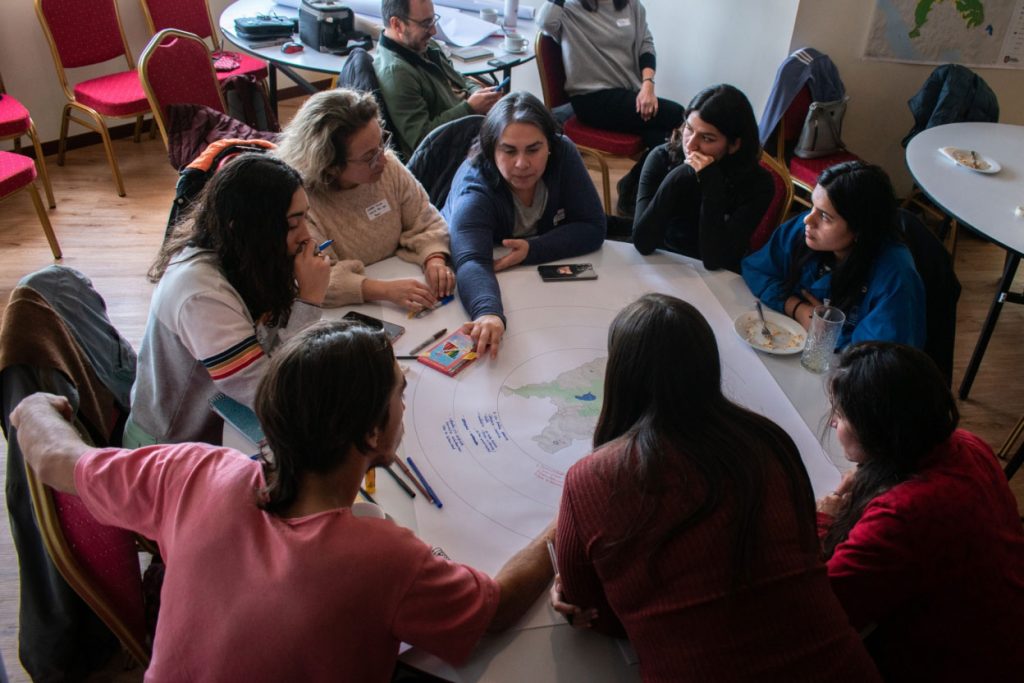
Aysén – The Meullín-Puye Nature Sanctuary, a natural treasure located in the Aysén commune, encompasses more than 29,000 hectares. Its pristine ecosystems are being protected and regulated through a Management Plan currently being developed by the Kreen Foundation, in collaboration with the Faculty of Environmental Sciences at the University of Concepción and with the support of the Aysén Regional Environmental Secretariat (Seremi de Medio Ambiente).
The first phase of participatory work took place in December 2022, with the aim of identifying the conservation targets present in the area and the sources of pressure on them. The second phase began in May 2023, consisting of two sessions focused on identifying zoning categories for the area. The first session brought together representatives from public institutions, while the second engaged members of the local and regional community, who shared their ideas, needs, and knowledge regarding this protected area.
“The zoning process is a territorial organization, where the activities expected to be carried out in the sanctuary are made compatible with the characteristics of the area, that is, respecting the carrying capacity of this territory to support the proposed activities in the long term,” explained Dr. Mauricio Aguayo, an environmental scientist.
Institutional and citizen voices
One of the participants in the meeting with public institutions was Carol Alvarado, head of Biodiversity and Natural Resources at the Aysén Regional Environmental Secretariat (Seremi de Medio Ambiente), who commented: “We always say that protected areas are not meant to be kept away from the public. While it is a Sanctuary under private administration and subject to strict regulations due to its protected status, the important thing is that people become aware of it and understand what is and isn’t allowed (…) it is a unique place, important for science and of national significance.”
For her part, Lorena Pradellones, president of the “Laguna and Río Los Palos Development Committee,” appreciated the information provided at the meeting and emphasized the importance of community participation in these processes: “If we don’t make it part of the community, it’s as if it belongs to someone else, and if it belongs to someone else, I won’t take care of it. Unfortunately, as a society, we don’t have the habit of taking care of what belongs to others; we always take care of what is ours and what we feel is ours.”
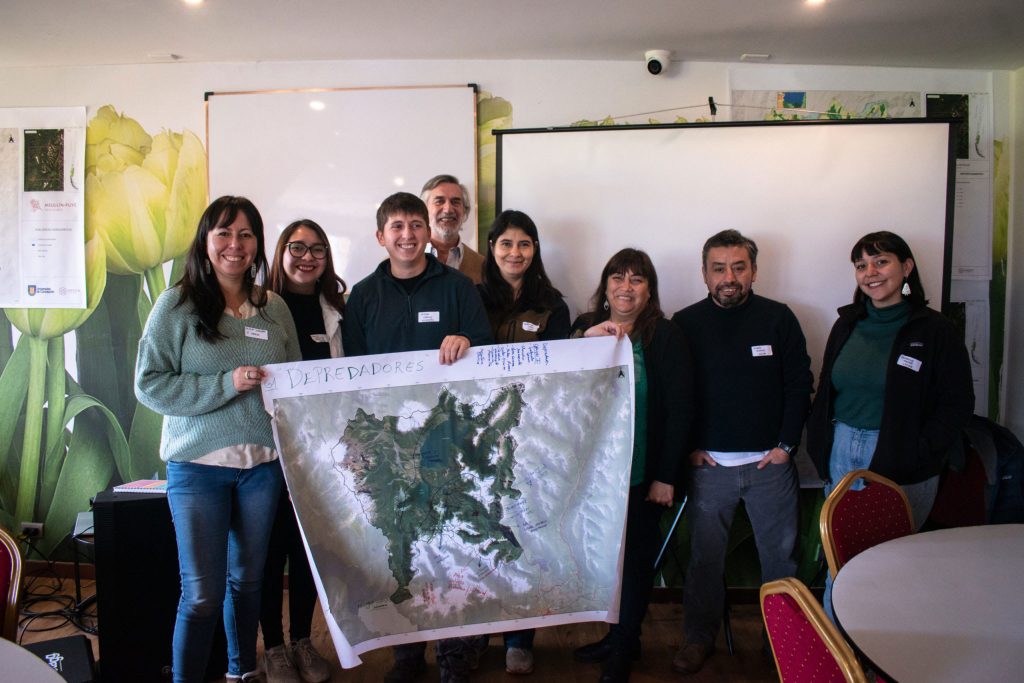
Meullín-Puye Sanctuary, a natural heritage
The Aysén region boasts 18 protected wilderness areas and three nature sanctuaries, representing more than 51% of its territory.
Among these three sanctuaries, the most recently declared is the Meullín-Puye Nature Sanctuary, which is being protected due to its special scientific interest, favorable conditions for academic studies, and ecological value.
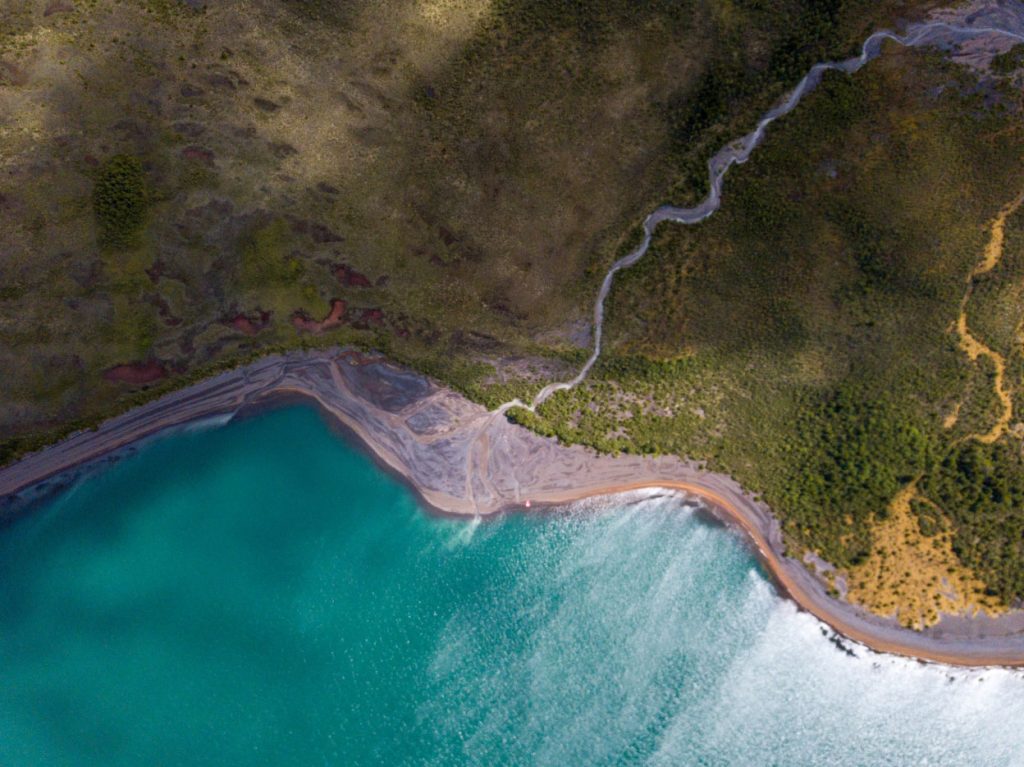
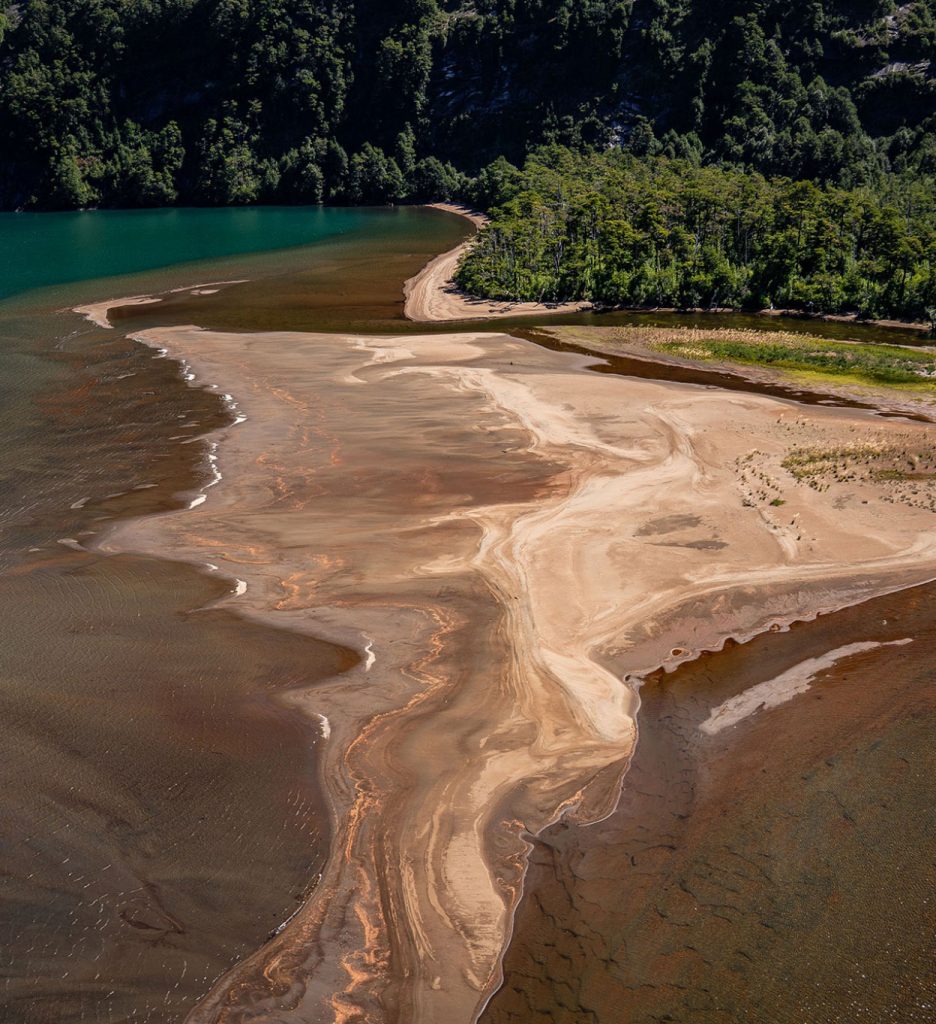
Located in the Cuervo River basin and the headwaters of the El Tabo River, it features an intact water network flowing from the glaciers to the fjord, encompassing vast wetlands and an impenetrable forest.
Part of the objectives of the Kreen Foundation, which manages this territory, is to connect with the communities that have historically lived near the area through environmental education and the promotion of this ecosystem.
“The perspective of the local residents is invaluable, as it validates this entire conservation initiative, involving and empowering the community in this process,” added Dr. Mauricio Aguayo.
Finally, Carlos Mendoza, executive director of the Kreen Foundation, expressed his satisfaction after these workshops, stating, “The participation of the people is very important to us. Being a privately managed conservation area allows us to open the door and engage in dialogue to establish a connection with the social fabric that supports conservation projects in the Aysén region of Patagonia.”
The University of Concepción, through its EULA center, the Regional Secretariat of the Environment for the Aysén Region, CONAF (National Forestry Corporation), the University of Aysén, and local organizations such as Ayciencia collaborated on these meetings.