“Glaciers, Waters from Afar”: the guiding theme of the Foundation’s work in 2026
In its constant circulation and transformation, water acts as a connecting thread that runs through vast and complex ecosystems. In this sense, it is a vital element that links everything: the living and the nonliving. From the great masses of ice in the mountains to the tiny molecules found within every living being on Earth, water nourishes, shapes, and structures life.
Whether in the form of glaciers, rivers, peatlands, or oceans, water not only shapes the landscape but also forms the foundation of all living organisms. As ethnobotanist Robin Wall Kimmerer points out, Sphagnum—or peat moss, for instance—not only grows in these wetlands, but actually creates them (Reserva de Musgo, 2023), revealing the deep interconnectedness of the natural world. In a peatland, the moss is nothing without the water, and the water is nothing without the moss.
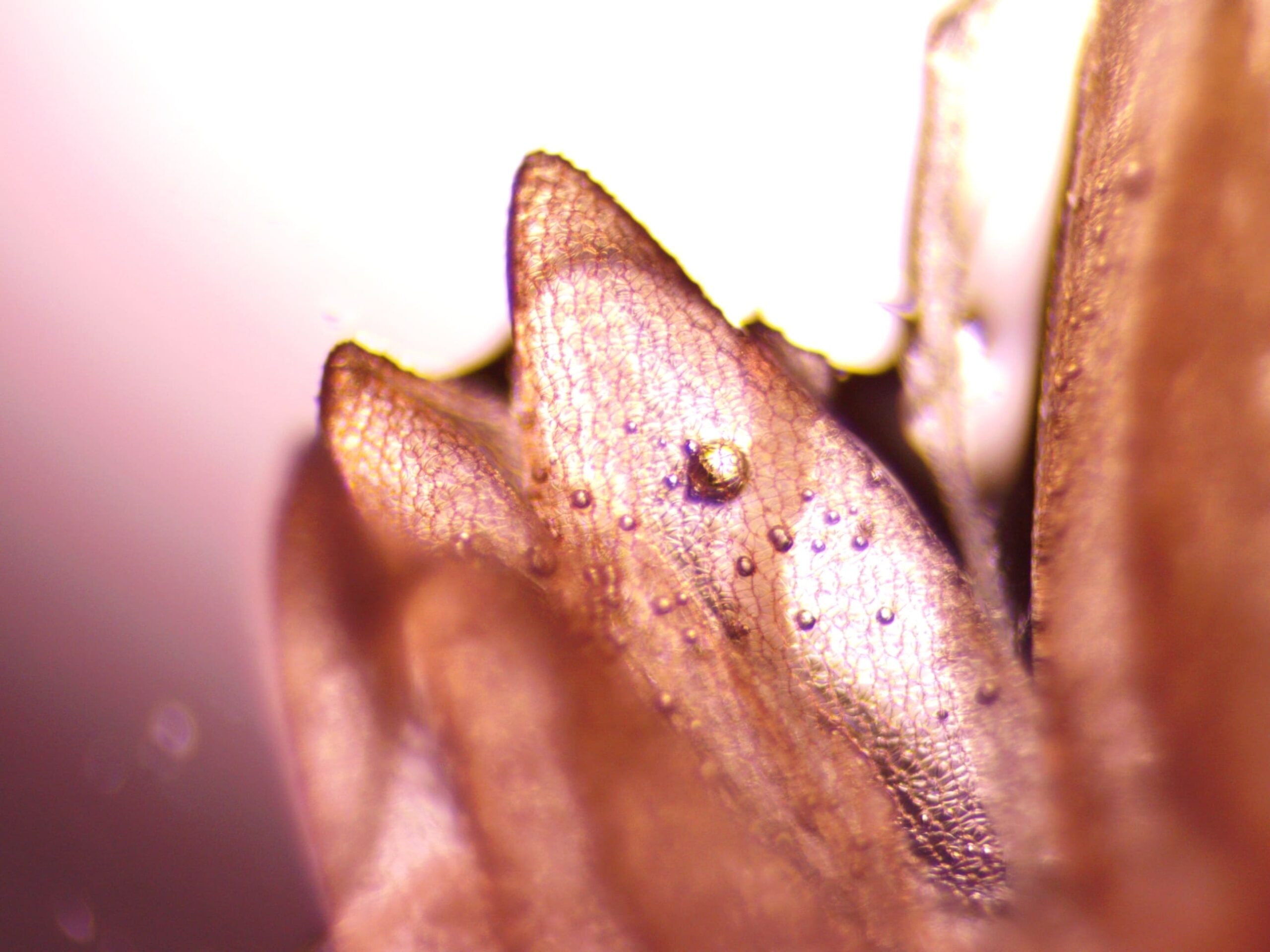
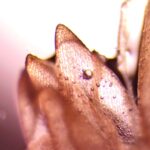
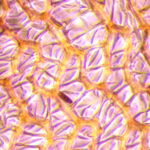
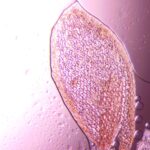
Sphagnum moss observed under the microscope. The cellular spaces through which water circulates and moves can be seen flowing through the moss, between different individuals, and in interaction with the surrounding environment.
Peatlands are also, in a way, living archives of a history far older than themselves. Their origins trace back to the end of the great glaciations, when retreating ice sheets left behind waterlogged depressions where organic matter slowly began to accumulate. There, moss found the conditions it needed to spread and, layer by layer, transform former glacial landscapes into wetlands capable of storing memory, carbon, and life.
In this way, water connects living beings and ecosystems through a continuous process of exchange and renewal. Have you ever stopped to think that, within this cycle, our own bodies may carry waters from other times and places? That the water flowing through our veins may once, thousands of years ago, have been part of a glacier?
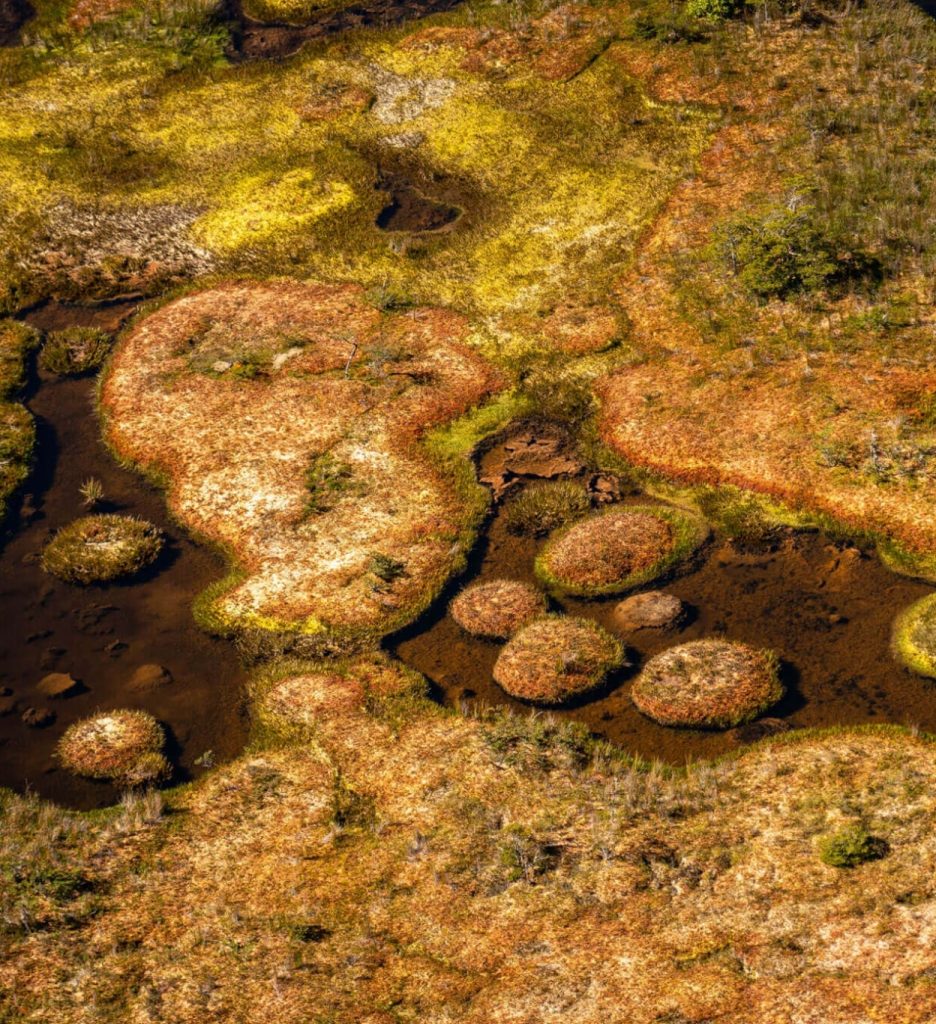
Peat bogs present in the Meullín-Puye Nature Sanctuary.
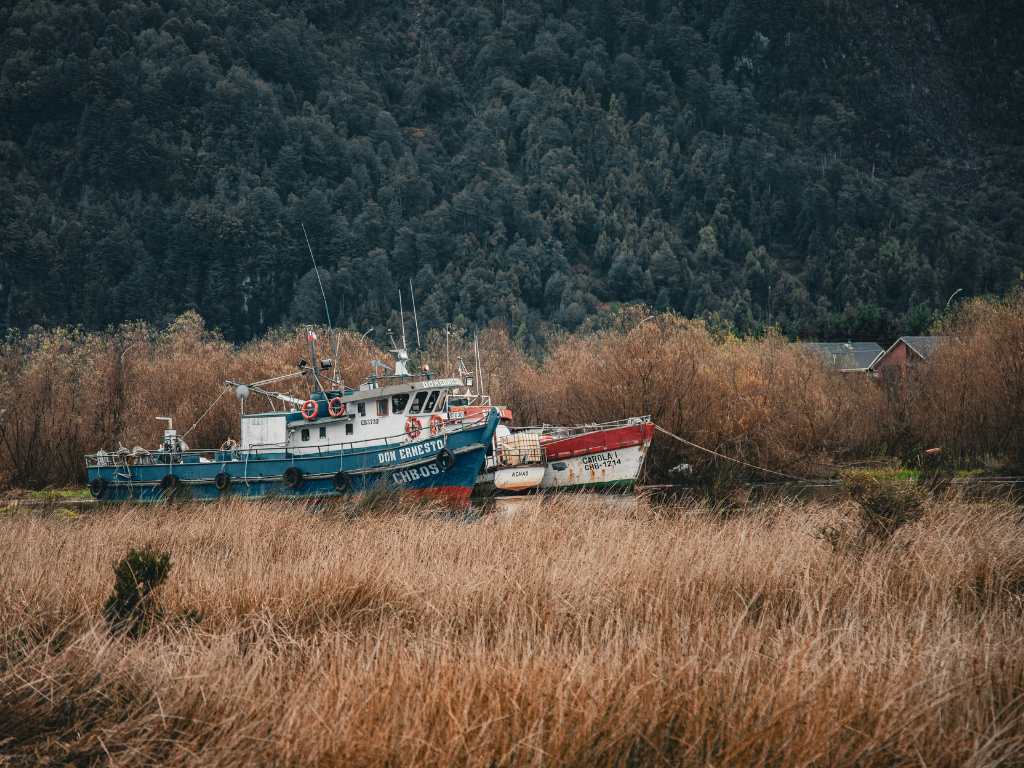
In Patagonia, water is present in the mountains, in the morning dew resting on plants, in fungi, birds, and countless other animals, in the ebb and flow of everyday life. Puerto Aysén, for example, is a wetland city, built upon waterlogged soils that preserve the memory of glacial melt. This omnipresence of such a vital and constitutive element has led us to choose the guiding theme for Fundación Kreen’s work throughout 2026: “Glaciers, Waters from Afar.”
From this starting point, we seek to explore the history of these immense and ancient masses of ice—true sculptors of the Patagonian landscape—and to understand the fundamental role of the waters that emerge from them. Our aim is to highlight the intricate web of invisible relationships between species, territories, and ways of life that water connects, from the mountains to the sea.
The proposal is to explore these waters in all their dimensions and journeys: at both the macro and micro scales; through their many lives—past, present, and future; in their diverse forms, such as glaciers, rivers, and other watersheds, as well as in their presence within animals, plants, and fungi; and through their constant transformations.
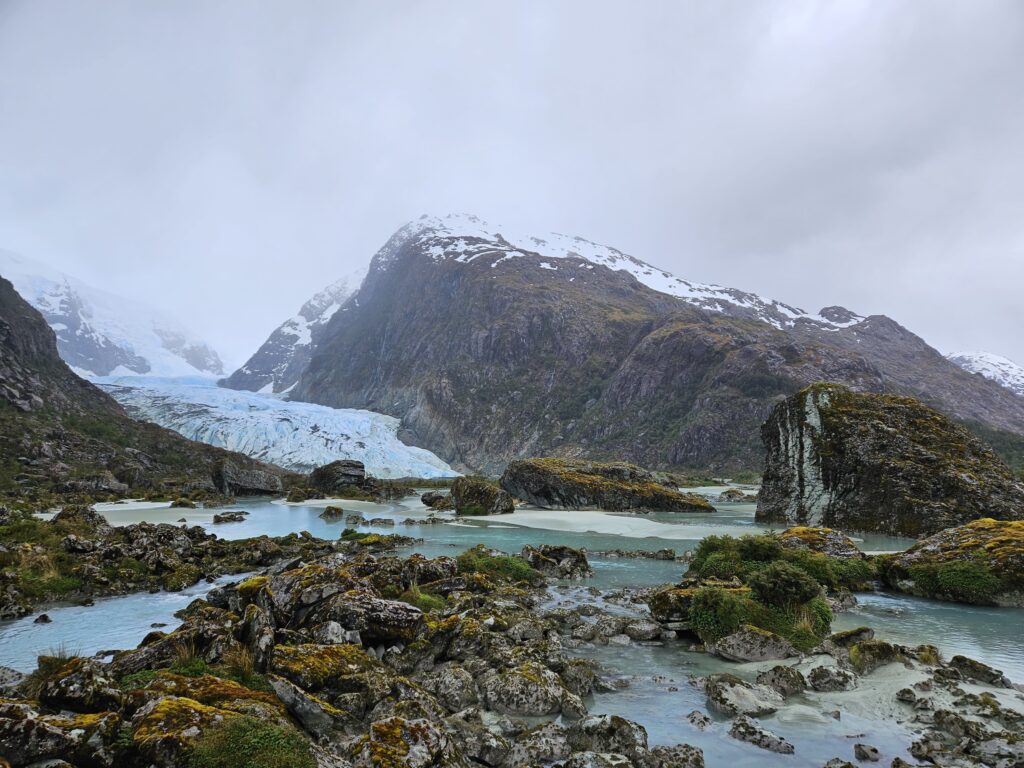
The motto that will guide the work of the Kreen Foundation throughout 2026: “Glaciers, Waters from Afar”.
Within this framework, one of the programs currently underway investigates the medicinal properties of the native flora found in the Santuario de la Naturaleza Meullín-Puye. The project understands these plants as living expressions of the waters that flow through this territory—waters that, along their course, nourish, transform, and shape the medicinal qualities of these ecosystems.
Along similar lines, the Silent Vectors program, which uses acoustic technologies to build the first sound archive of bird species in the Sanctuary, views migratory species as biological vectors. As they move between heavily impacted fjords and pristine ecosystems, these birds reveal the movement of water and the ways it connects territories while carrying microorganisms, nutrients, and potential pathogens such as the H5N1 avian influenza currently affecting the region.
Likewise, though in a less immediately visible way, the DNA Traces project—whose aim is to characterize the diet of the American mink and detect the presence of pathogens within the Sanctuary—also relates to this perspective by examining the role of water as a central axis of ecological connection. In this sense, studying the mink is especially significant, as this species may shape aquatic ecosystems—and the life that develops around water—through its trophic interactions and its influence on different biological communities.
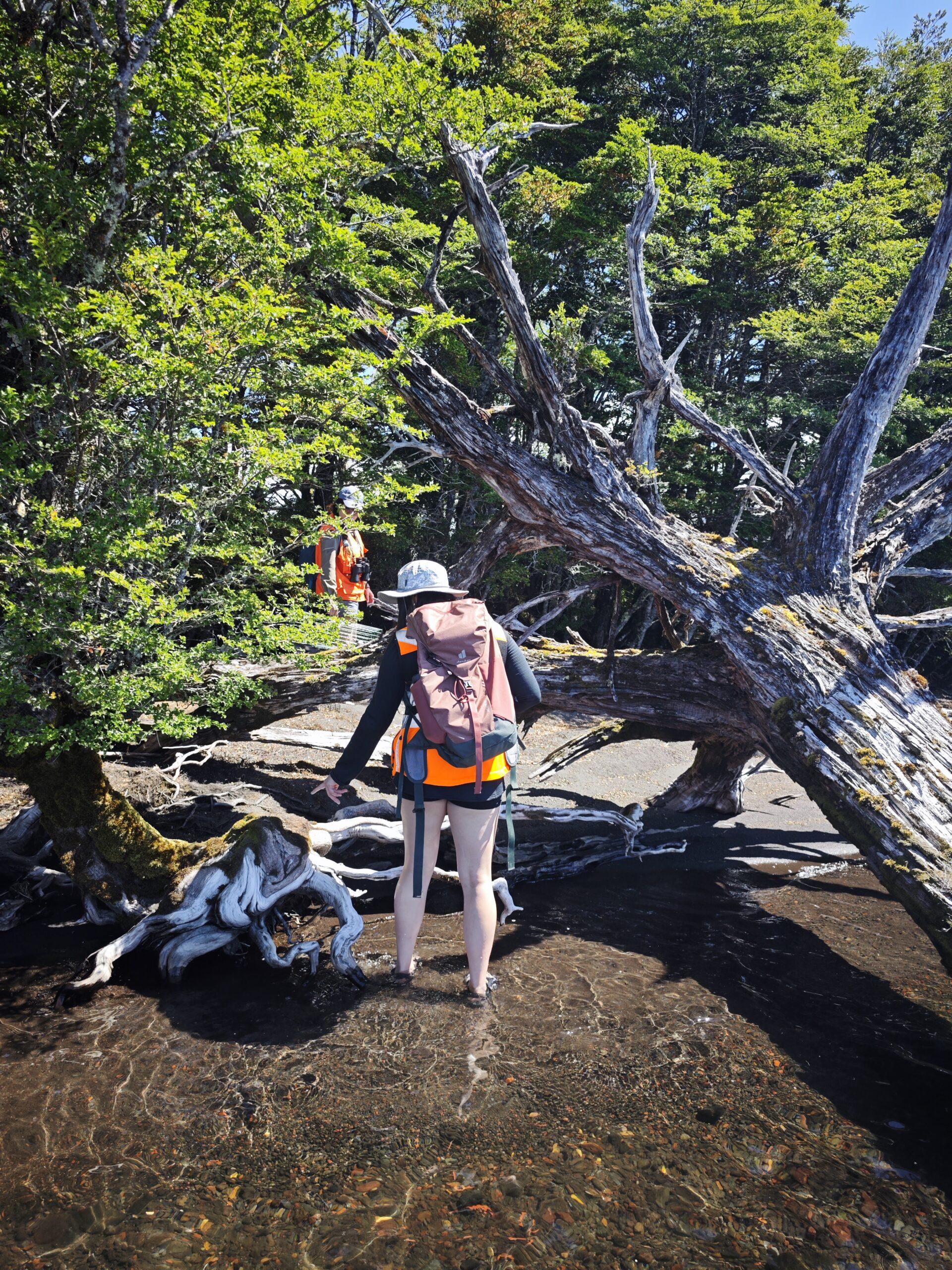
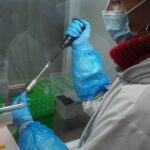

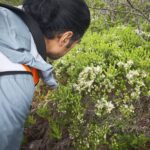
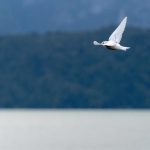
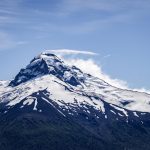
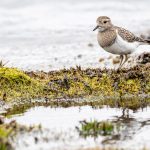
The lines of scientific research planned for this year address water in one way or another, as a vital element that connects everything: the living and the non-living.
Now, this guiding thread represented by the lives of water is not limited to the scientific realm; it also extends into the humanities and the arts. It is at this interdisciplinary intersection that conservation comes to be understood as a living, situated practice. To this, the role of the community must be added: without it, any conservation effort loses its meaning. It is people who inhabit and care for these territories. For this reason, the Foundation’s work seeks, above all, to accompany and strengthen the relationship between people and the natural and cultural heritage of the region.
In this regard, within the area of territorial engagement, initiatives such as the Festival de Cine, Naturaleza y Arte Kreen (FECINART Kreen) stand out, along with its Audiovisual Creation Workshop for young people in Puerto Aysén, as well as the commemoration of Peatlands Day, which we will celebrate with the first edition of Pomp-on: a day of music and artistic creation dedicated to the conservation of these wetlands.
We invite you to explore with us the many lives of water, from glaciers to the sea.