DNA Traces: Diet Characterization and Pathogen Detection of the American Mink in the Meullín-Puye Sanctuary
Since 2025, the DNA Traces program has been established as a three-year initiative led by Fundación Kreen, under the direction of the Introduced Species Management Unit. This project aims to generate key scientific information to better understand and address the presence of the American mink (Neogale vison) in the Meullín-Puye Nature Sanctuary, as well as to propose management guidelines for controlling this invasive introduced species.
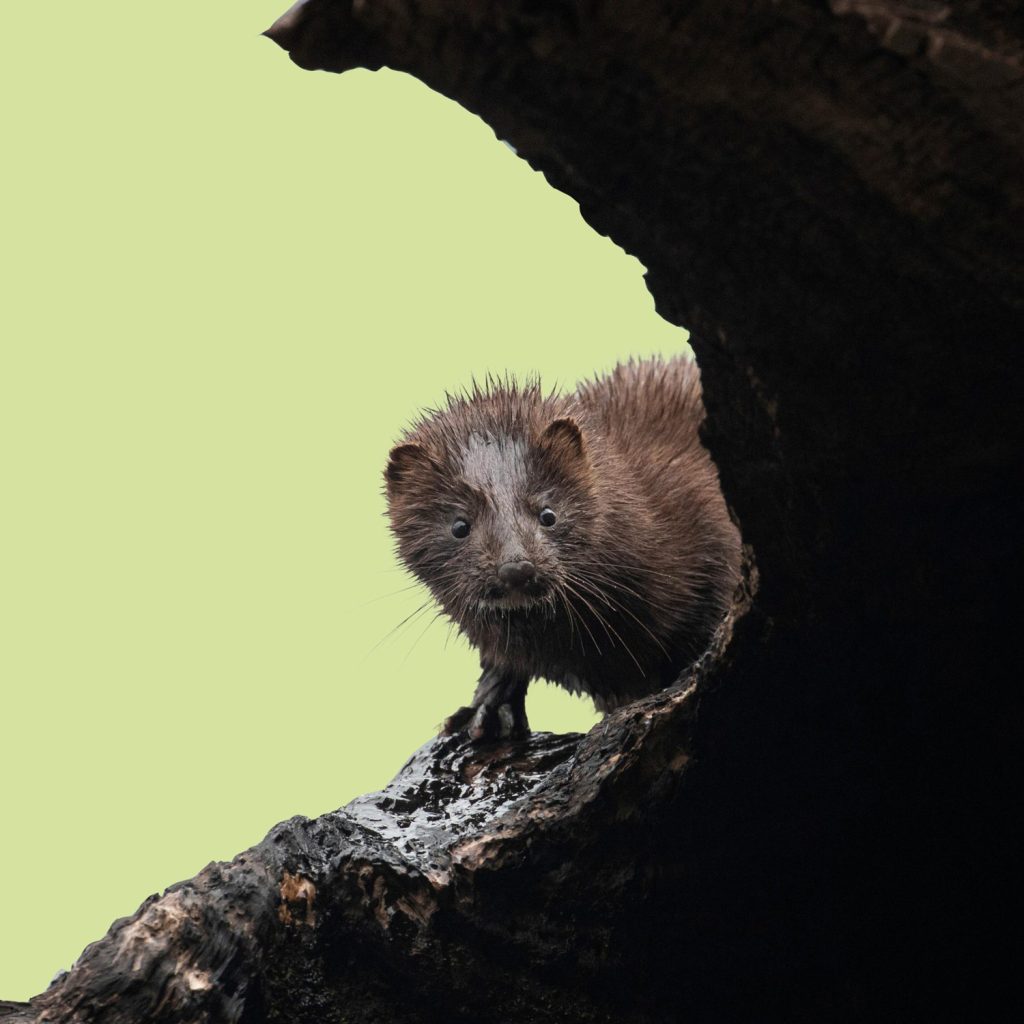
Among the world’s 100 most harmful invasive species is the American mink (Neogale vison), a small semi-aquatic carnivorous mammal native to North America. Introduced in Punta Arenas in 1934, it has since spread widely from the Magallanes region to La Araucanía, reaching the Meullín-Puye Nature Sanctuary in the Aysén region.
Its high adaptive capacity and opportunistic diet allow it to feed on a wide variety of prey, resulting in a significant impact on native fauna, affecting mammals, birds, fish, amphibians, and crustaceans. In addition, it preys on poultry, impacting local production and rural livelihoods. Furthermore, it acts as a carrier of pathogens, with the potential to transmit diseases to other animals and even humans (Jaksic and Castro, 2021). It thus represents a threat to both biodiversity and public health.
In this context, understanding the mink’s diet is key to revealing how it interacts with other species and to assessing the impact of its predation on the native fauna of the Meullín-Puye Nature Sanctuary. Likewise, identifying the pathogens it carries—including viruses, bacteria, and parasites—is essential for evaluating its potential effects on species conservation, as well as the risks it poses to human, animal, and environmental health.
Within this context, the DNA Traces program emerges, with the overarching objective of characterizing the diet and detecting the presence of pathogens in the American mink within the Meullín-Puye Nature Sanctuary, through molecular analysis of DNA found in its feces. This approach will make it possible to understand both its ecological impact on native fauna and the potential health risks associated with its presence.
To achieve this objective, the program seeks, on the one hand, to taxonomically identify the species that make up its diet from fecal samples using metabarcoding techniques (an advanced molecular method that allows the simultaneous identification of multiple species—such as bacteria, fungi, animals, and plants—within an environmental sample through the use of short DNA fragments). On the other hand, it aims to detect the presence of three pathogens relevant to animal and human health using PCR analyses: canine parvovirus type 2, the bacterium Mycobacterium bovis, and the protozoan Cryptosporidium sp. These studies will be conducted in specialized laboratories at the Austral University of Chile, in Valdivia: pathogen analyses at the Molecular Biology in Parasitology Laboratory, and diet analyses at the Austral-omics laboratory.
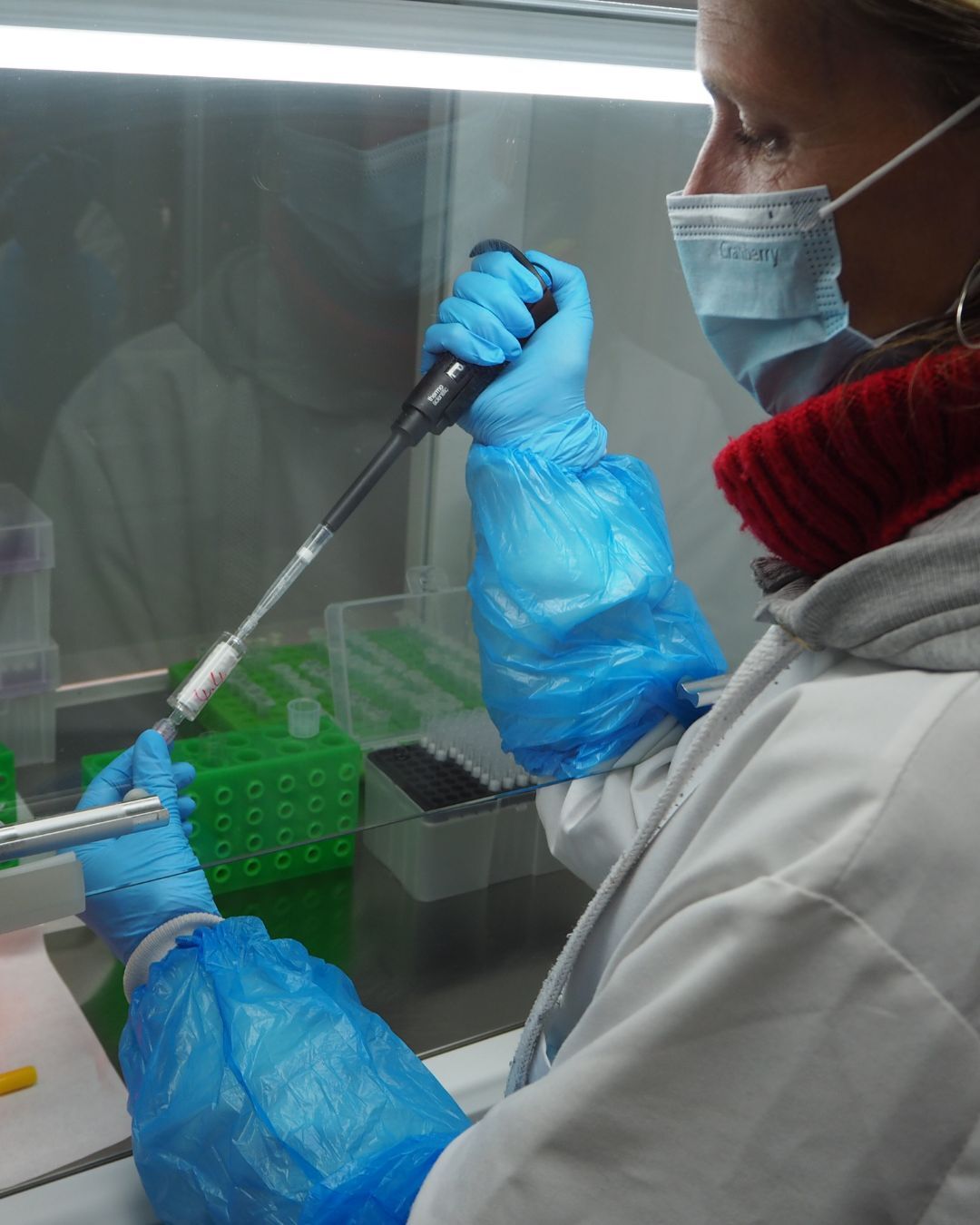
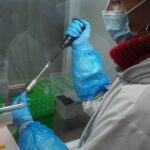
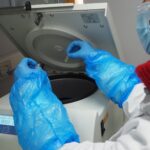

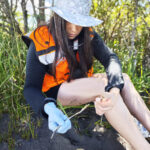
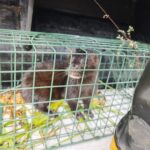
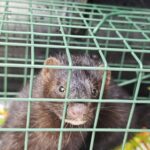
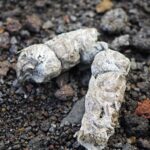
Fieldwork began in 2025 with the collection of samples in the Meullín-Puye Nature Sanctuary, including mink feces and the capture of individuals using Tomahawk traps, from which biological samples were obtained. This phase continued into early 2026 and has now been completed. In April 2026, samples will be organized and sent to specialized laboratories in Valdivia for DNA analysis and pathogen detection. Subsequently, the results obtained will lead to the preparation of a scientific report. Finally, in 2027, the findings will be disseminated to public agencies, non-governmental organizations, professionals, and the broader community.
The results of this exploratory study will provide essential information to strengthen biodiversity conservation and the management of invasive alien species in the Meullín-Puye Nature Sanctuary. This represents an initial approach to understanding the impact of the American mink on local fauna, enabling the identification of native species most vulnerable to its predation. Likewise, the detection of infectious agents will provide relevant evidence to inform the design of control and prevention measures aimed at reducing the spread of pathogens within the ecosystem and mitigating potential risks to public health. Taken together, these findings will contribute to the development of management and conservation strategies based on the “One Health” approach, integrating the protection of environmental, animal, and human health.
References:
Jaksic F y S Castro. 2021. Biological Invasions in the South American Anthropocene: Global Causes and Local Impacts. Springer Ed. Jointly published with Eds. UC. 346 p.
Lowe S, Browne M, Boudjelas S y M De Poorter. 2000. 100 of the World’s Worst Invasive Alien Species. A selection from the Global Invasive Species Database. Published by The Invasive Species Specialist Group (ISSG) a specialist group of the Species Survival Commission (SSC) of the World Conservation Union (IUCN). 12p.
Waits L y M Paetkau. 2005. Noninvasive Genetic Sampling Tools for Wildlife Biologists: A Review of Applications and Recommendations for Accurate Data Collection. The Journal of Wildlife Management 69 (4):1419-1433.