The Kreen Foundation promotes responsible pet ownership for the conservation of Patagonia
February 22, 2024A large number of dogs and cats roam unsupervised in our country. According to a study conducted by the Pontifical Catholic University of Chile and the Regional Undersecretariat of Regional and Administrative Development (Subdere) in 2022, it is estimated that there are around three and a half million dogs and almost 600,000 cats nationwide.
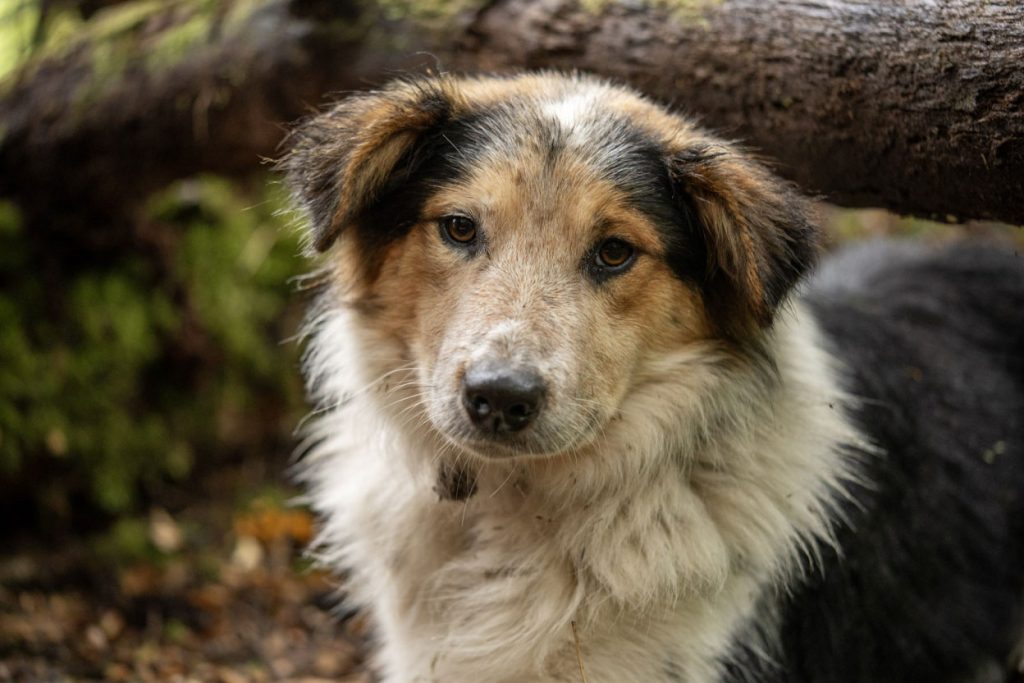
This situation is especially critical in rural areas and regions like the Aysén Region, where natural and protected areas represent more than 50% of its territory. Dogs and cats, which often enter these areas, can attack, harass, and transmit diseases to native wildlife, causing serious damage to ecosystems and threatening their biodiversity.
Dogs have been observed attacking native mammals such as the huemul, pudú, güiña cat, and puma, as well as nests and birds like flamingos, black-necked swans, and chucaos. They also transmit diseases such as distemper, mange, and parvovirus to foxes, güiña cats, and pumas.
In the case of cats, listed as one of the 100 most harmful invasive alien species in the world, they have been observed attacking native birds such as the green-backed hummingbird, wren, and seven-colored tanager; small mammals like the monito del monte (Dromiciops gliroides) and native rodents; and native insects like the canary beetle. In addition, they transmit diseases such as feline leukemia and feline immunodeficiency virus to kodkod cats.
The Responsible Pet Ownership Law, also known as the “Cholito Law,” addresses these issues, stipulating that pet owners must: register their pets and implant an electronic device (microchip), be held civilly liable for any damages they cause, be responsible for their feeding and veterinary care, and provide them with good treatment, among other obligations.
The Kreen Foundation seeks to contribute to mitigating this problem by promoting responsible pet ownership in areas surrounding the Meullín-Puye Nature Sanctuary. One of its initiatives was to request and coordinate, in conjunction with the Municipality of Aysén and the Los Palos River neighborhood association, a veterinary clinic for microchipping, deworming, and vaccination of dogs and cats in the community. This initiative arose from the environmental problems expressed by residents of the Los Palos River area in a socio-environmental study conducted by the foundation in early 2023.
Estefanía Torres, a veterinarian and coordinator of the study at the Kreen Foundation, explains that “in general, rural communities receive little veterinary care for dogs, cats, and farm animals. Furthermore, the vast majority are allowed to roam freely, which poses a risk to human health, biodiversity, tourism, and livestock.”