Native Plants and Bioactive Compounds: A Scientific and Cultural Study from Patagonia, Aysén
Fundación Kreen, through its Terrestrial Ecosystems Coordination, is developing a project that investigates the medicinal properties of the native flora of the Meullín-Puye Nature Sanctuary. This initiative aims to provide an initial insight into how natural compounds with potential medicinal value accumulate in remote protected areas of Patagonia. To achieve this, the study combines two complementary sources of knowledge: the wisdom of the local community and scientific evidence.
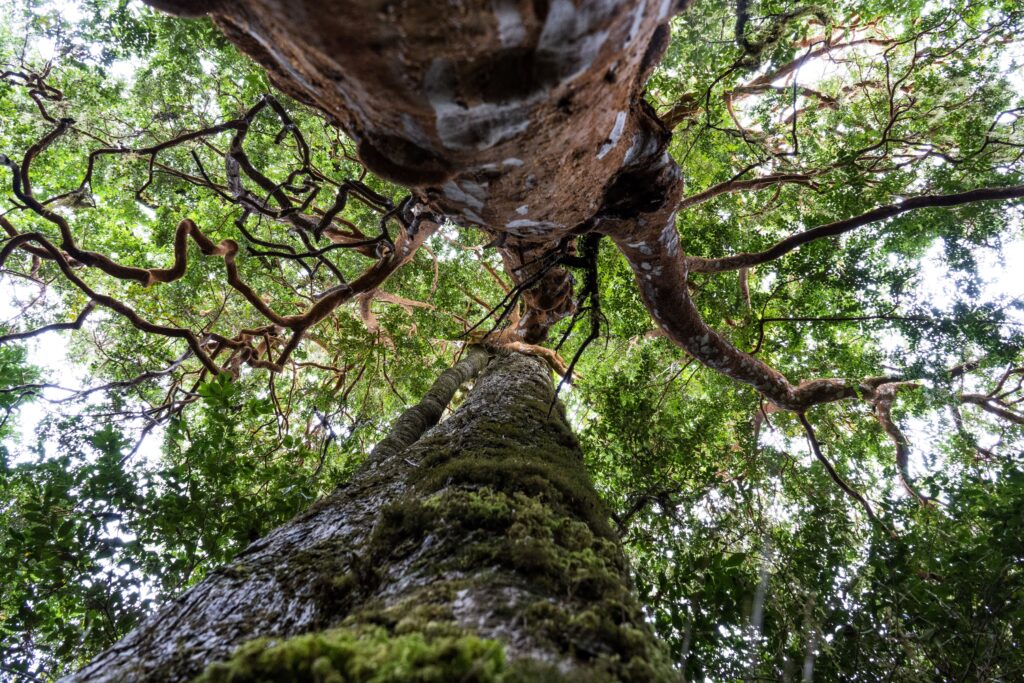
Plants belong to one of the oldest kingdoms on Earth. They have endured entire geological eras, witnessing the evolution and extinction of species, the eruption of volcanoes, and the transformation of continents. They have played a central role in shaping a habitable world. Thanks to them, we breathe, eat, clothe ourselves, and even obtain much of the energy that sustains modern technologies. In this sense, plants can be understood as true teachers of life: organisms capable of producing their own food and structure while, at the same time, maintaining the conditions that make life possible for countless species, including our own.
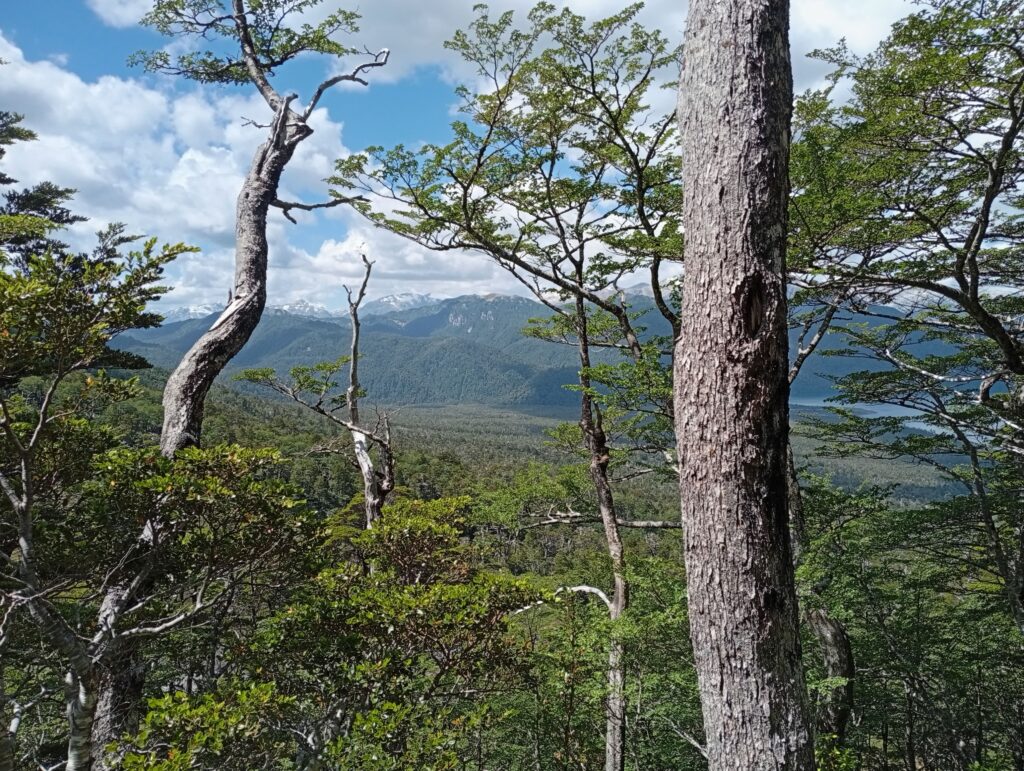
In remote and minimally disturbed places, this role takes on an even more fascinating dimension. The Meullín-Puye Nature Sanctuary emerges as a true natural laboratory, with the potential to harbor species, genes, and compounds still unknown to humanity. Here, plants—along with other organisms such as lichens—have developed unique chemical substances to adapt to specific environmental conditions, many of which possess medicinal properties. However, although some knowledge of the local flora exists, in remote areas of Patagonia our understanding of bioactive compounds or phytochemicals remains limited or, in many cases, nonexistent.
In this context, the Foundation, through its Terrestrial Ecosystems Coordination, is carrying out a project aimed at deepening the study of phytochemicals or bioactive compounds and their potential low-risk medicinal applications. These substances play key roles for plants, such as defending against pests, diseases, or adverse environmental conditions, but they may also offer benefits for human health, for example by acting as antioxidants or anti-inflammatory agents.
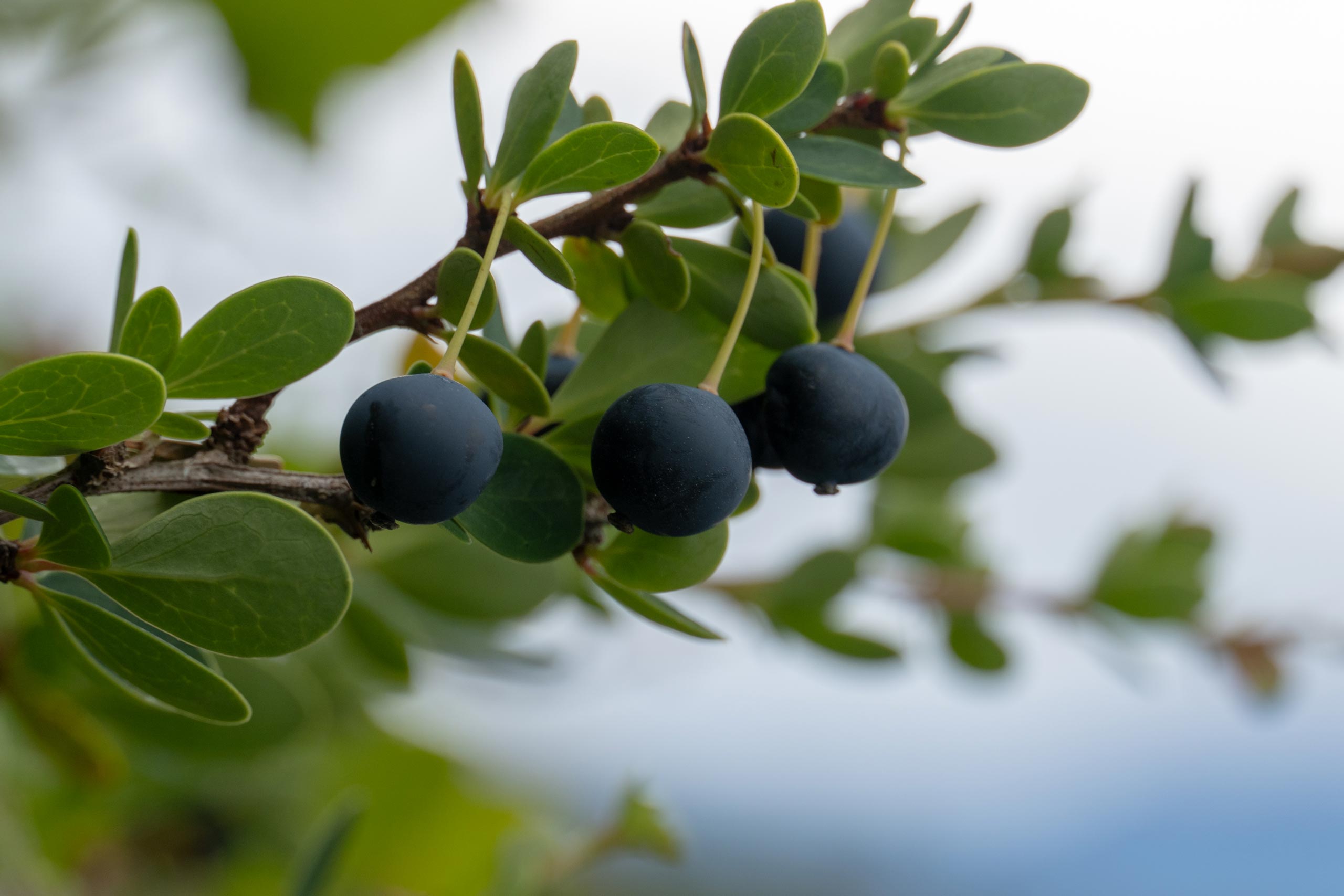


The initiative brings together the knowledge of the local community and scientific research, opening a new pathway to understand and appreciate the knowledge safeguarded within these ecosystems. To this end, plants with potential bioactive substances have been selected, including vascular or woody species such as nalca and michay, non-vascular plants or bryophytes such as mosses, and other organisms such as lichens.
The first stage of the work was carried out during the summer of 2026 and included the collection of samples from different species within the Meullín-Puye Sanctuary. These samples will subsequently be analyzed by the Chemistry and Pharmacy Laboratory at Andrés Bello University. Over the course of this year, the project will move forward with a comprehensive phytochemical profiling of approximately 20 native plant species, generating key scientific information about their medicinal potential. Selected species include Guaitecas cypress, chapel, Sphagnum moss, a rare plant from the genus Hebe, a fern (Sticherus sp.), and two species of lichens, all representative of the Sanctuary’s diversity and uniqueness.
At the same time, this study also seeks to contribute to the recognition and strengthening of traditional knowledge related to the use of medicinal plants. In a context of increasing urbanization, herbal practices tend to become fragmented and often lose their cultural depth. In response, the project incorporates a line of work aimed at documenting traditional uses through surveys and fieldwork, recovering knowledge that has been passed down through generations and that forms part of the living heritage of local communities.
The value of this project lies precisely in its ability to address, simultaneously, two dimensions that often evolve separately: scientific research and local knowledge. On the one hand, the study aims to generate evidence that supports and strengthens the uses, care practices, and knowledge associated with native medicinal plants within the Aysén community. On the other hand, fieldwork and engagement with local communities allow scientific knowledge to move beyond academic spaces, making it accessible and meaningful for those who inhabit the territory.
In this sense, the Sanctuary’s chemical potential represents not only an opportunity for science, but also a tool for the community to recognize, value, and make informed use of the resources available in their environment, particularly in the surroundings of Puerto Aysén. Thus, the social and the scientific are not presented as separate realms, but as deeply interconnected dimensions that mutually enrich one another.
As part of the project’s closing phase, the results of the phytochemical analyses and field data collection will be shared through talks and workshops open to the community. These activities will address topics such as phytochemistry, species identification, and the responsible use of native plants, as well as local biodiversity as a key attribute of the Sanctuary. In addition, an artisanal herbal kit with plant extracts for personal use will be developed for a group of participants, along with the distribution of educational materials that will include recommendations to prevent overharvesting and promote safe and sustainable use practices.
In this way, the project seeks not only to generate knowledge, but also to return it to the territory, strengthening the relationship between people and plants, and fostering a more conscious and respectful connection with the ecosystems that sustain life.