FECINART 2025: Cinema, Gathering, and Nature in Puerto Aysén
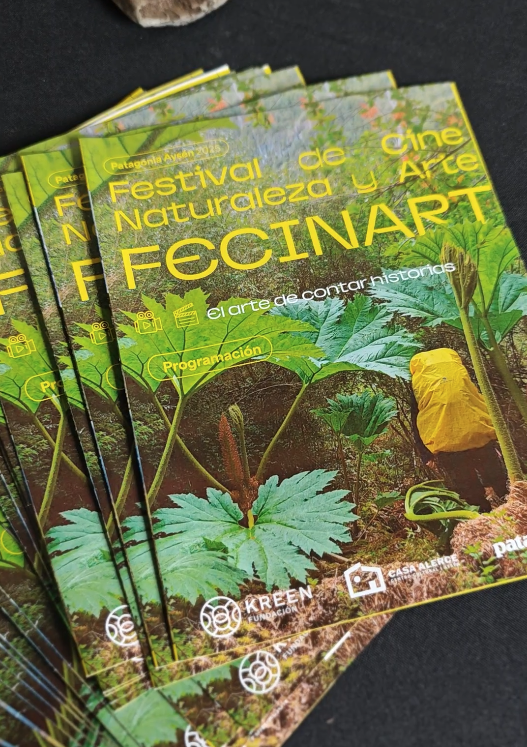
December 22, 2025Puerto Aysén was the setting, on December 12 and 13, for a cultural milestone that brought together nature conservation and cinematic art. The first edition of the Film, Nature, and Art Festival (FECINART 2025), organized by Fundación Kreen in collaboration with Centro Cultural Casa Alerce and the Patagonia store, created a space for reflection and creative exchange around cinema and environmental stewardship, attracting more than 60 participants over the two-day event. Under the motto “the art of storytelling,” the festival fostered a more conscious perspective on our surroundings and set a precedent for the local and regional cultural scene.
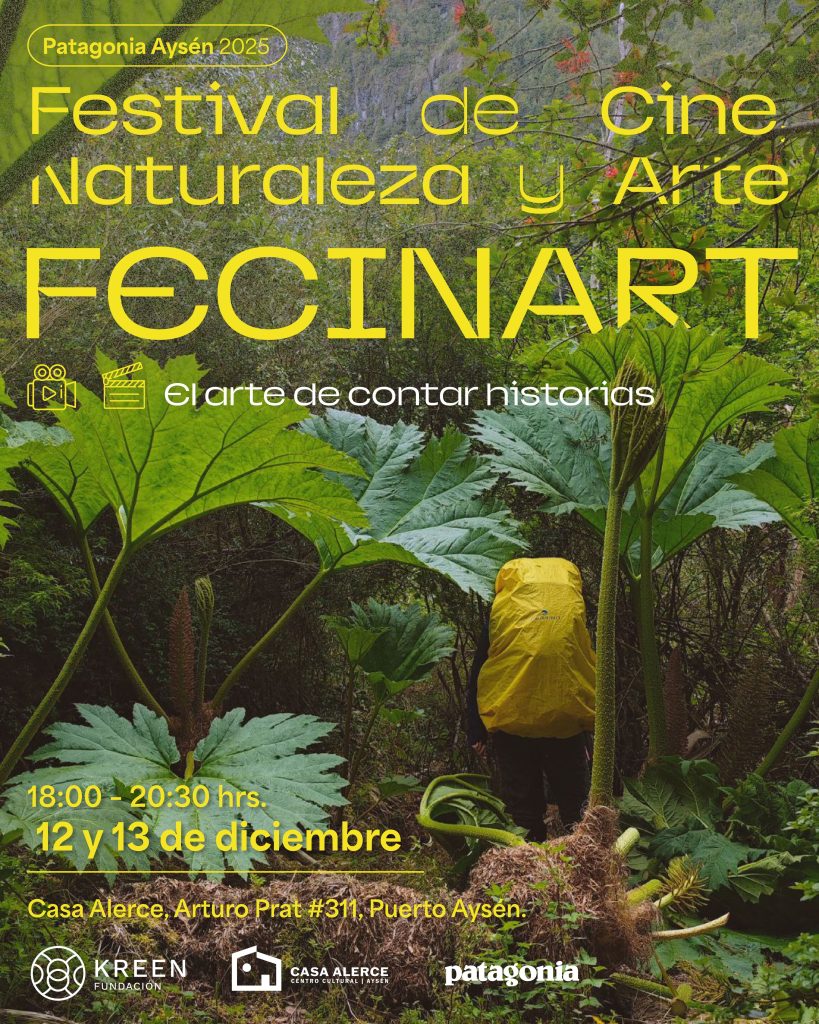
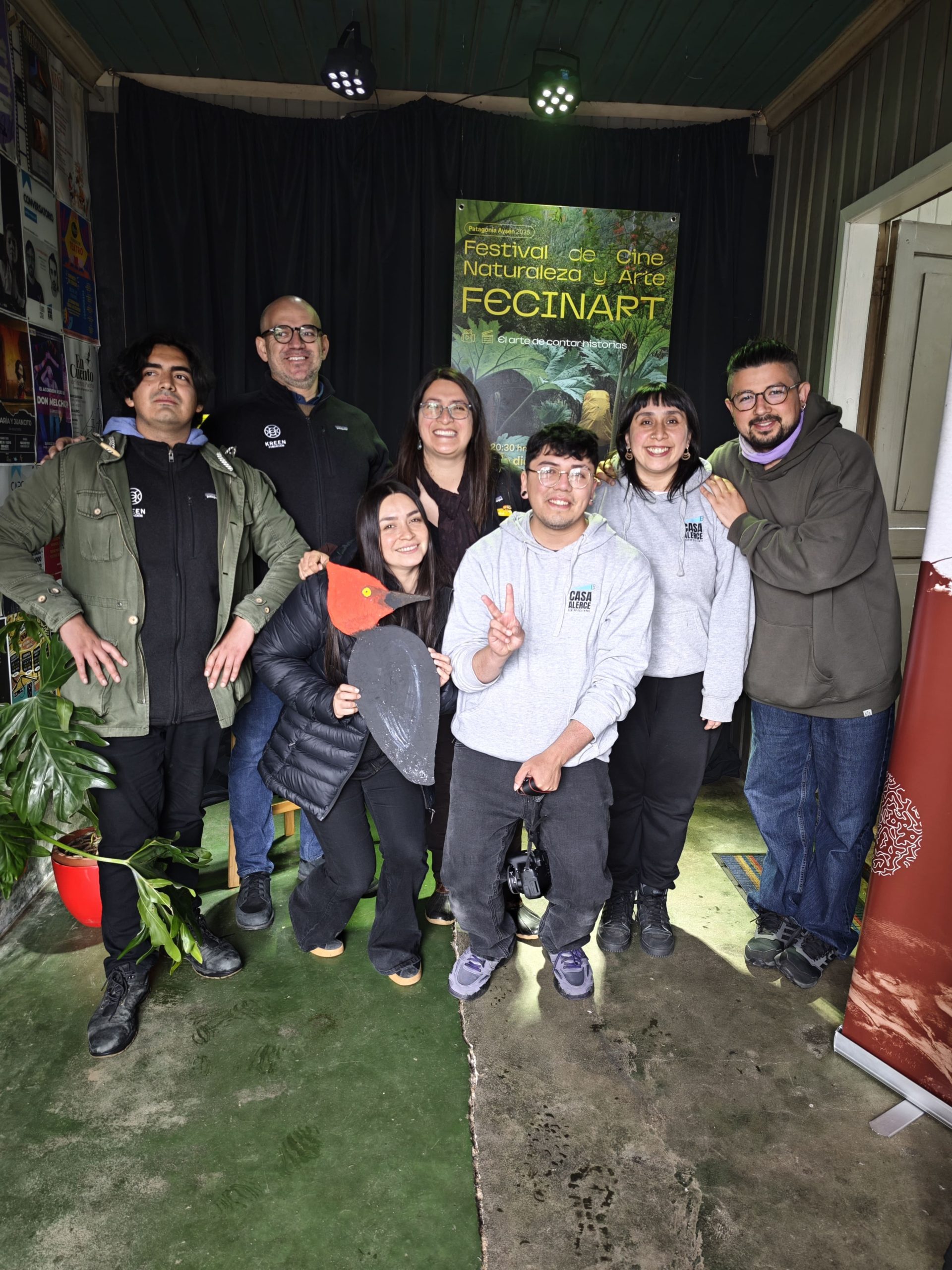
On Friday, December 12 in the afternoon, the entire Fundación Kreen team gathered with anticipation at the Casa Alerce Cultural Center. It was the opening day of FECINART, and everything was in place to welcome the community. The doors opened and, little by little, people began to arrive: familiar greetings, curious glances, conversations picking up where they had left off. The festival started to take shape through these first encounters.
The first day unfolded at a slow, almost contemplative pace, well aligned with the audiovisual program focused on ecological restoration, forests, and water. Each short film opened up questions about how we inhabit the territory and about the stories we choose to tell when we speak of nature.
One of the most meaningful moments of the day was the discussion with Esteban Hernández, audiovisual filmmaker and workshop leader of the School of Documentary Filmmakers: The Art of Storytelling, a free training program aimed at young people from Puerto Aysén and surrounding areas, carried out during the previous month as part of the Festival’s program of activities. Rather than focusing on techniques, Esteban reflected on the shared process experienced with the students throughout the six sessions of the School: the first approach to ideas, initial uncertainties, creative decisions, and, above all, collective learning. He described how the micro-short films evolved through observation of the environment and experimentation, and how each group found its own way of narrating the Aysén territory from a sensitive and everyday perspective.
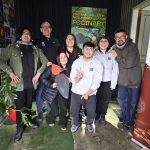
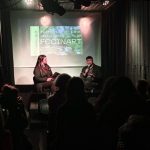
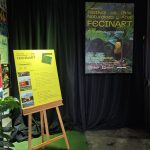


During Saturday’s program, Casa Alerce filled up much faster than the previous afternoon, creating a more festive atmosphere. There was strong anticipation to watch the micro-short films created by the young participants of the School of Documentary Filmmakers, along with a shared desire to connect, converse, and celebrate. The program continued to explore the relationship between culture, biodiversity, and environmental education, setting the stage for one of the most emotional moments of the festival: the screening of the micro-short films produced as part of the School of Documentary Filmmakers and the subsequent award ceremony.
The micro-short films presented by the students were Visión Subyugante, created by Licarayen Villaroel, Pablo Vargas, and Benjamín Garcés, and Títeres, by María Isidora Aura, Carlos Rehbein, and Antonia Olivares. Both works approach the nature of the Aysén territory from distinct perspectives: the former stood out for its visual poetry and the original musical composition created by the participants themselves, while the latter was characterized by a relatable language and a creative staging that included the making of puppets—the protagonists of the film.
Before announcing the highlighted micro-short film, the story behind the award was shared. Rather than a conventional trophy, it consisted of a lenga seed (Nothofagus pumilio), created by artist Maximiliano Viviani Hörmann. The lenga is an emblematic species of the Andean Patagonian ecosystem, and the seed symbolizes the beginning of a process—something that grows over time with care and patience. In this context, Carlos Mendoza, Executive Director of Fundación Kreen, offered a few words and expressed gratitude to the thinkers, artists, and elders who have guided the path of conservation, acknowledging that today’s work is built upon knowledge and struggles that long predate the present.
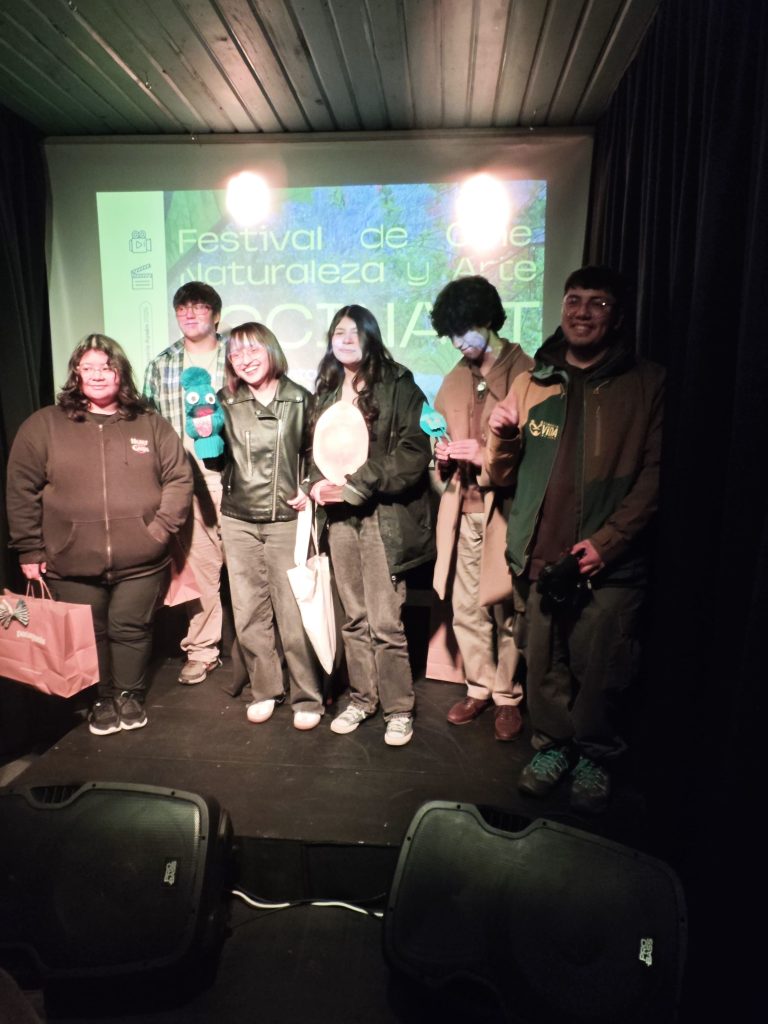
The award ceremony of the School of Documentary Filmmakers was also an opportunity to highlight the work of the jury, composed of Rubén Álvarez, sociologist and cultural manager; Querubin Obando, from the Patagonia store; and Estefanía Torres, Coordinator of Introduced Species Management at Fundación Kreen. Their diverse perspectives made it possible to assess not only technical aspects, but also creativity, narrative language, and the works’ connection to the territory. The micro-short film Títeres was ultimately recognized, standing out for its approachable proposal and original staging.
FECINART 2025 concluded its two-day program with the sense of having contributed a much-needed space in Puerto Aysén: a place to watch, listen, and engage in conversations about nature through cinema, while also coming together as a community. The experience of the School of Documentary Filmmakers and the strong public participation confirmed that art can be a powerful tool for strengthening the bond with the territory.
The first edition of the festival thus leaves a seed—both literal and symbolic—that is already beginning to project itself into the future. Preparations for FECINART 2026 are already underway, driven by the conviction to continue building a space where cinema, nature, and environmental awareness can dialogue and grow together.
From the organization of FECINART 2025, we extend our sincere thanks to everyone who participated in and was part of these two days; as well as to the filmmakers of the short films screened and the production companies that generously made their material available for this first edition of the festival. We also offer special recognition to the students who took part in the School of Documentary Filmmakers, whose work gave meaning and future projection to this initiative.