From Mountain Range to Valley: Glaciers as a Source of Life in Patagonia
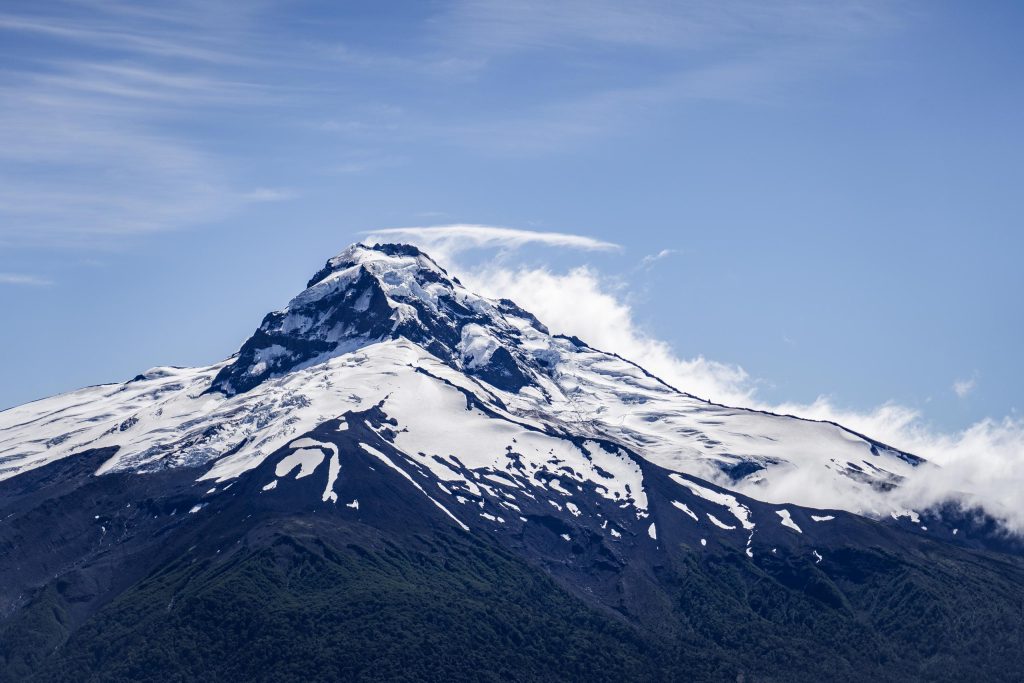
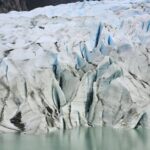
March 19, 2026Tens of thousands of years ago, when the planet’s climate was much colder and the seasons were nothing like those we know today, massive snowfalls blanketed the Earth’s surface. As the snow built up in increasingly dense layers, it compressed under its own weight, forcing out trapped air and slowly turning into solid ice—in other words, glaciers.
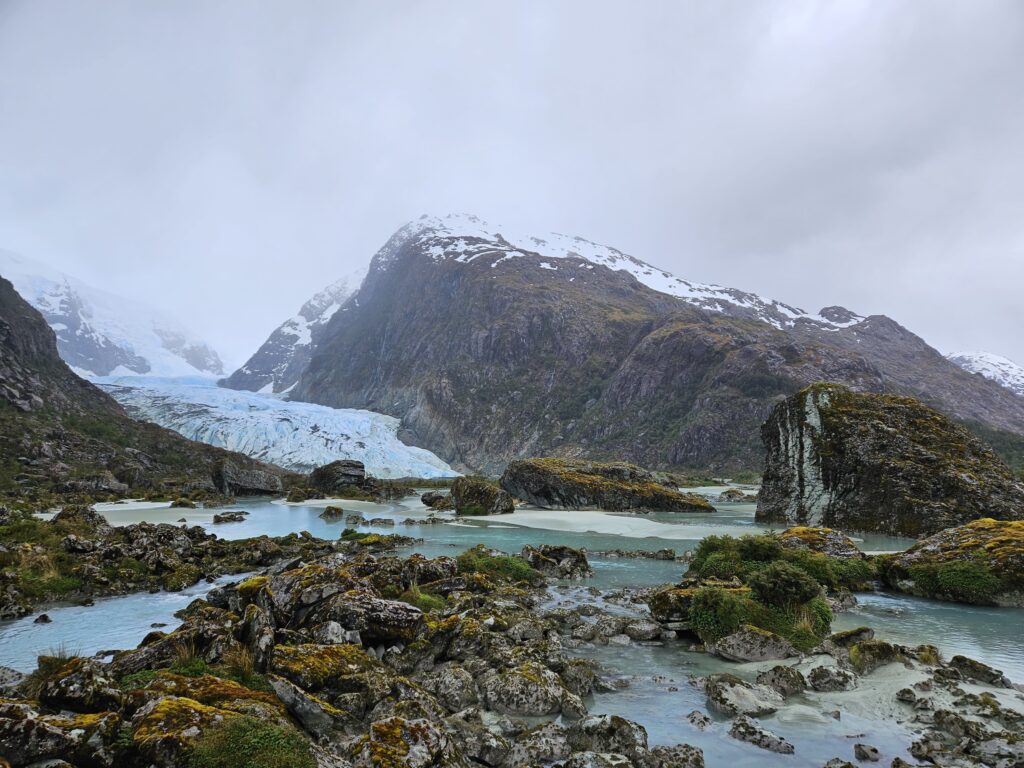
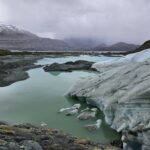
Over time, gravity set these enormous ice masses in motion, and they began to flow downhill, carving their way through mountains and valleys. The movement of the ice gave rise to fjords, lakes, wetlands, and other water basins. In turn, these water sources made it possible for biodiversity to flourish in periglacial areas and valleys.
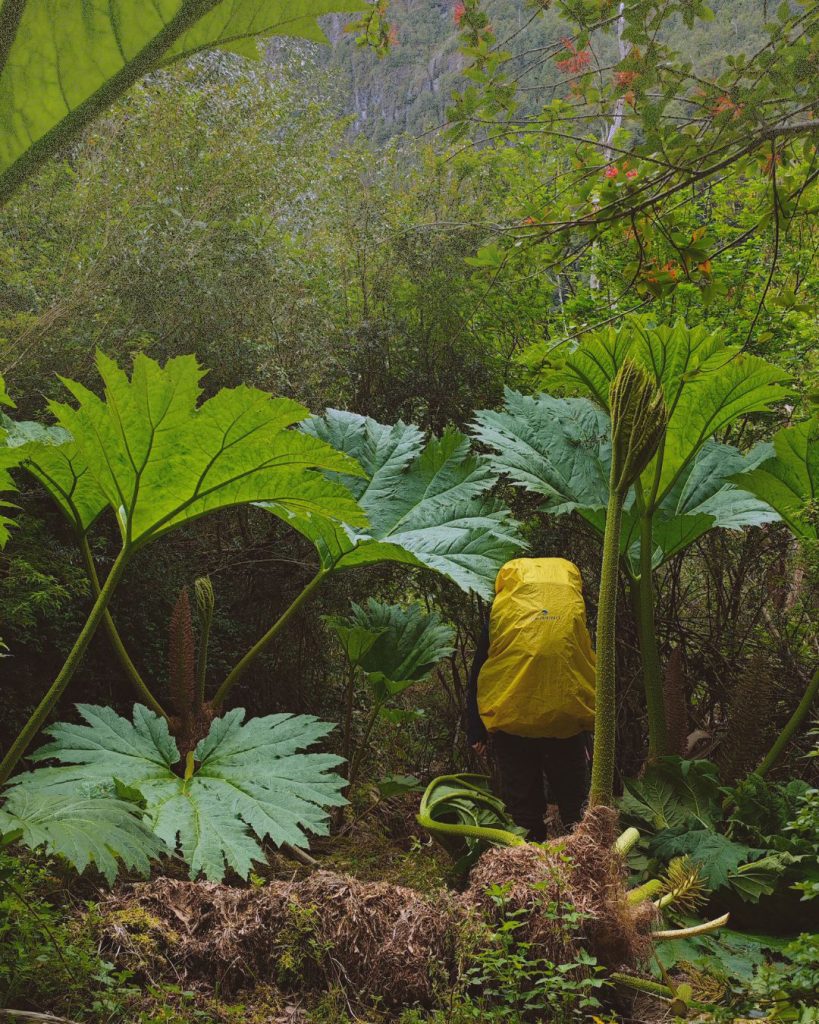
EIn Patagonia, life in the valleys is a direct result of what happens in the high, cold reaches of the southern Andes. The dynamics of ice have not only shaped the landscape; its slow, gradual melting has also given rise to bofedales—high-Andean wetlands saturated with water, rich in hydrophytic vegetation and peat accumulation—as well as tundra, where plant life is limited to mosses, lichens, and low shrubs. Rivers flowing down into the valleys, bringing with them a unique biodiversity, are also part of this glacial process.
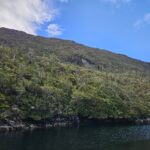
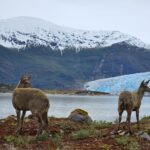
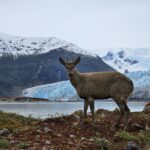
The periglacial zone is especially rich thanks to the water basins formed by glacial activity. In this environment, forests are dominated by lenga, coigüe, and ñirre trees, which provide shelter for species such as the black woodpecker and the iconic huemul deer. Further down in the valleys, humans also benefit from the gifts of glaciers: access to fresh water and a reduced risk of natural disasters such as floods and landslides. For local communities, these waters are not only a source of life but also an integral part of their cultural memory.
Glaciers in Numbers
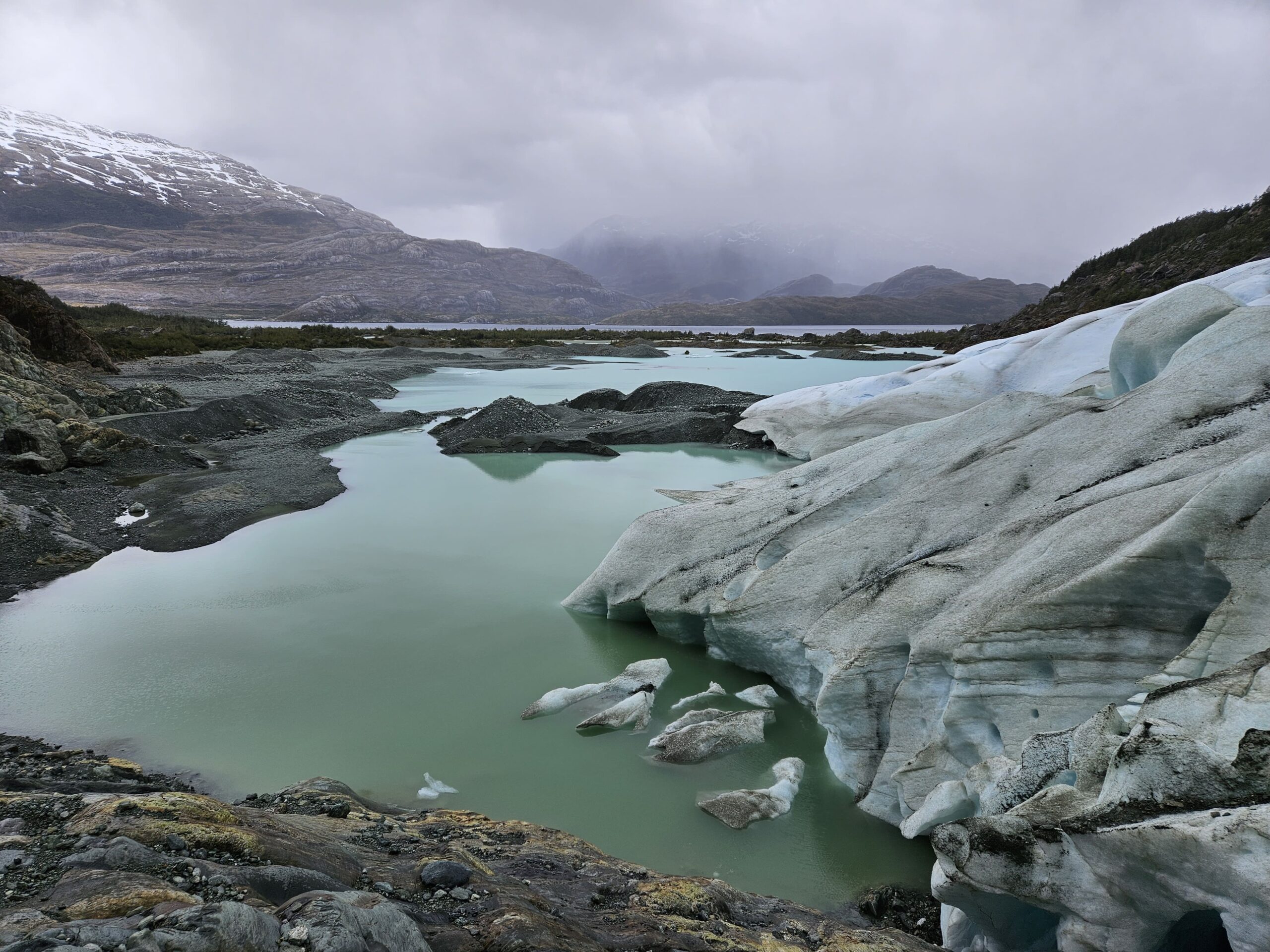
Glaciers store roughly 70% of the planet’s freshwater, which makes their conservation a matter of global importance. Their rapid retreat today not only accelerates sea-level rise, but also disrupts ecosystems, reduces water availability for millions of people, and affects climate stability across all regions of the Earth.
In this regard, Chile is an especially privileged country, as it is home to the largest concentration of glaciers in South America—about 80% of the total. The prominent presence of these massive ice bodies nationwide is why March 21 has been designated as National Glacier Day, a commemoration that seeks to remind us of the urgent need to protect them.
Within Chile, the Aysén Region hosts the greatest number of glaciers: 10,301 (Glacier Inventory, 2022), representing close to 39% of the country’s total. This makes the region particularly remarkable, as its geography, water availability, and biodiversity are closely tied to the presence of these ancient ice masses.
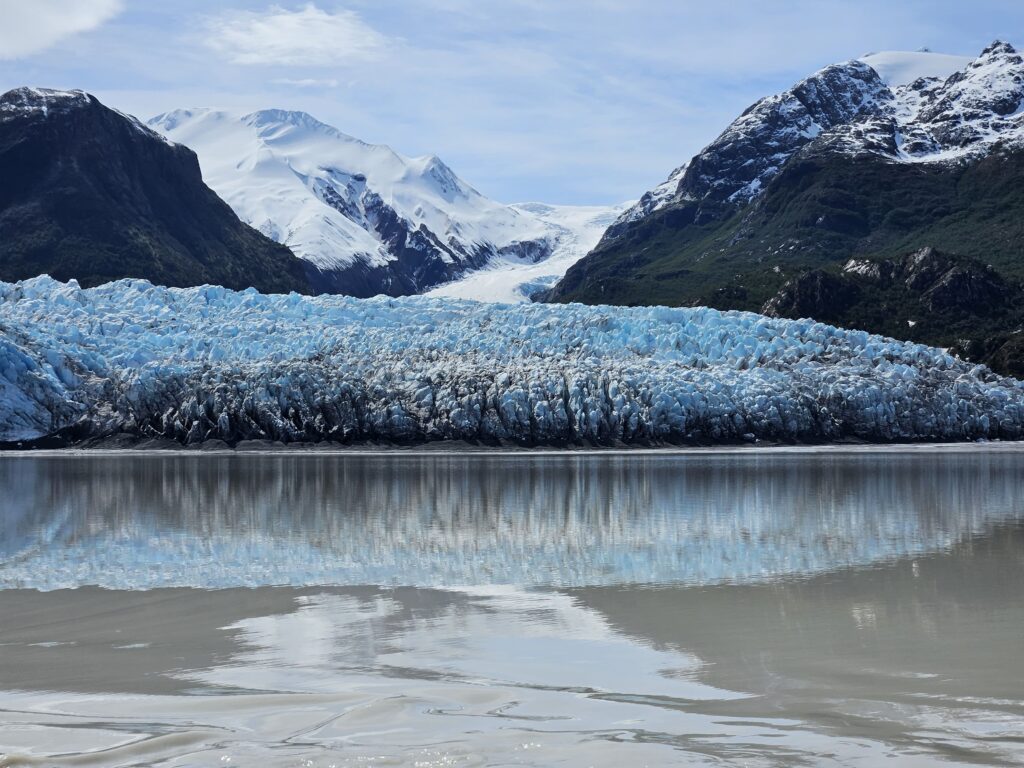
Glaciers currently cover about 10% of the Earth’s land surface, but their extent is shrinking at an accelerating rate due to rising global temperatures, CO₂ emissions, and ocean warming. This retreat, documented throughout the 20th century and even more evident in recent decades, is one of the clearest signs of global climate change. As they melt, glaciers cease to fulfill their role as critical freshwater reserves and indicators of the planet’s health.
The consequences are profound: loss of ice, rising sea levels—which could increase by dozens of meters if all continental ice were to melt—natural disasters such as floods and landslides, and disruptions to climate patterns, among others. In addition, the loss of ice threatens the survival of species adapted to cold environments, accelerating biodiversity loss with repercussions across the globe.
Glaciers are thus symbols of resilience and millennial witnesses to the major changes the planet has undergone. The biodiversity and physical character of different landscapes bear the visible imprint of this ancient and enduring work of ice—now under threat.
Protecting Glaciers in the Aysén Region
Monitoring glaciers in Chilean Patagonia has been shaped by pioneering efforts, but also by a lack of continuity. The creation of Bernardo O’Higgins National Park—the largest protected area in Chile and one of the largest in the world—represents a clear commitment by the state to the conservation and study of glaciers (including the Southern Ice Field, the Dr. Juan Brüggen Ice Field, and the Patagonian Ice Field), along with other conservation targets.
Research initiatives led by CONAF and conservation organizations in remote locations such as Puerto Edén (now largely abandoned) have highlighted the importance of field-based glacier studies. At the same time, they have exposed major logistical challenges and the lack of sustained long-term commitment from the Chilean state. Today, vast glaciated areas and their associated ecosystems remain without consistent monitoring or effective protection. The remoteness of these territories, combined with limited oversight, leaves them vulnerable to practices that can harm biodiversity.
In this context, science and local communities in Aysén Region play a key role in filling the gap left by the absence of sustained state monitoring. Advances in new technologies—such as satellites, drones, and remote sensors—make it possible to track changes in glaciers even in hard-to-reach areas, while local knowledge brings the experience and close connection needed to understand such a vast and dynamic landscape.
Community-based conservation projects, together with the work of universities and research centers, can help build networks for monitoring and protection that include fishers, navigators, and residents of fjords and coastal areas. In this way, protecting glaciers becomes not only a scientific and governmental responsibility, but also a shared commitment—one that recognizes glaciers as the foundation of life, identity, and the future of the region.
References
Fundación Glaciares Chilenos. (2026). ¿Cuántos glaciares hay en Chile?. https://www.glaciareschilenos.org/cuantos-glaciares-hay-en-chile/
Pellicciotti, F., Ragettli, S., Carenzo, M., & McPhee, J. (2014). Changes of glaciers in the Andes of Chile and priorities for future work. The Science of the Total Environment, 493C(2014), 1197–1210. https://doi.org/10.1016/j.scitotenv.2013.10.055
Rivera, A. (2026). Campos de hielo sur. Laboratorio de Glaciología. https://glaciologia.cl/glaciares/zona-austral/campo-de-hielo-sur/
Tarbuck, E. & Lutgens, F. (2005). Ciencias de la Tierra, una introducción a la geología física. Pearson.