Cats and dogs, transmitters of diseases to native fauna
September 11, 2024Did you know that dogs and cats can transmit diseases that affect native wildlife?
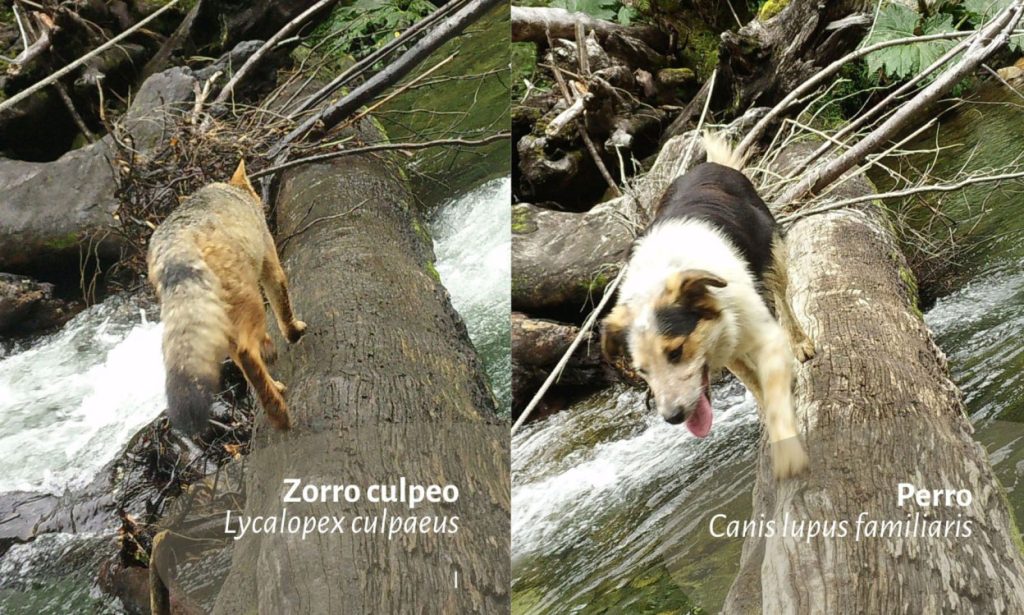
Parvovirus, distemper, rabies, immunodeficiency viruses, mange, echinococcosis, and tapeworm are some of the diseases that can affect dogs and/or cats when their vaccinations and deworming treatments are not up to date, either because they lack a responsible pet owner or because their owner does not practice responsible pet ownership.
In addition to posing a risk to their health and ours, these diseases also represent a significant source of pressure on biodiversity conservation, especially in regions like Aysén, where we have numerous protected natural areas. These areas are habitats for diverse native fauna species that lack natural defenses against these diseases. This is the case, for example, with the culpeo fox and distemper transmitted by dogs.
To prevent these types of diseases from spreading to native fauna, it is crucial to understand and practice responsible pet ownership. Only in this way can we contribute to the conservation of our native wildlife.
Some recommendations to help protect them are:
- Get properly informed about your pet’s nutritional, cognitive, and health needs.
- Strictly follow the vaccination and deworming schedule recommended by your veterinarian. The schedule begins at 15 days for deworming medication and at 2 months for vaccinations, and continues with monthly and annual boosters, respectively, for the rest of your pet’s life.
- Find out about free veterinary clinics that are being held in your community.
- Keep your pets under supervision at all times and never take them into protected areas.