
Profile: American Mink
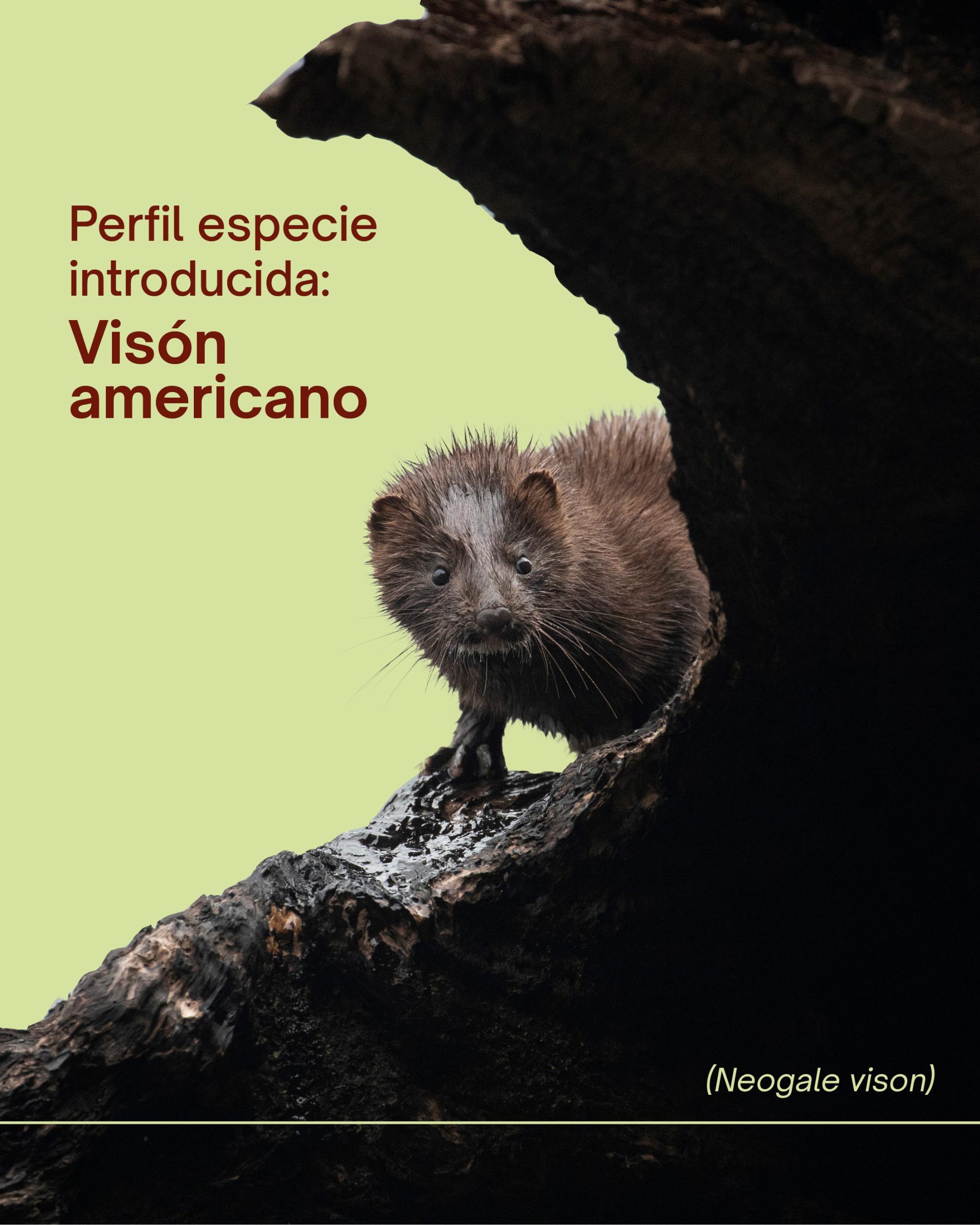
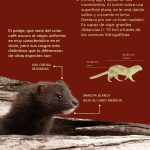
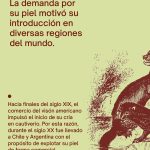

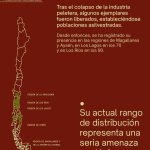

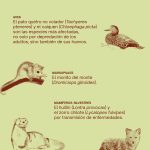
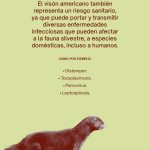

Although it may seem harmless, the American mink is an invasive introduced species that is seriously damaging local ecosystems. It preys on birds, such as the flightless whistling duck and the torrent duck, among others. It also preys on small animals like the monito del monte (a small marsupial).
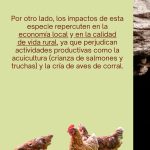
Furthermore, the mink poses a health risk: it can carry diseases such as distemper, parvovirus, leptospirosis, toxoplasmosis, rabies, and even bovine tuberculosis, while also contributing to the spread of didymo (an invasive introduced alga in semi-aquatic ecosystems). It also generates negative socioeconomic impacts by preying on poultry and fish farms.
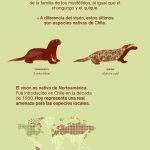
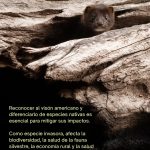
Recognizing and differentiating it from other native mustelids like the lesser grison or the southern river otter is key to protecting our biodiversity and local health.
“Profile” is a section that highlights species—both native and introduced—and geographical landmarks of our region, emphasizing their connection to the land and its communities. Through these graphics, we seek to promote a more complete understanding of the environment and a more harmonious relationship with nature.
Sources:
SAG. (2024). “SAG on alert for American Mink and reinforces control strategies.” SAG News.
Segovia, P. (2025). “Studying the potential role of minks as hosts of infectious agents that affect livestock health.” UACh Daily.
Vergara, G. & Valenzuela, J. (2015). “Presence of American mink (Neovison vison, Schreber 1777) in Chiloé, Chile: beginning of a biological invasion?” Ecosystems 24(1): 29-31.