Las Ranas Urban Wetland: A Natural Ally of the City of Puerto Aysén
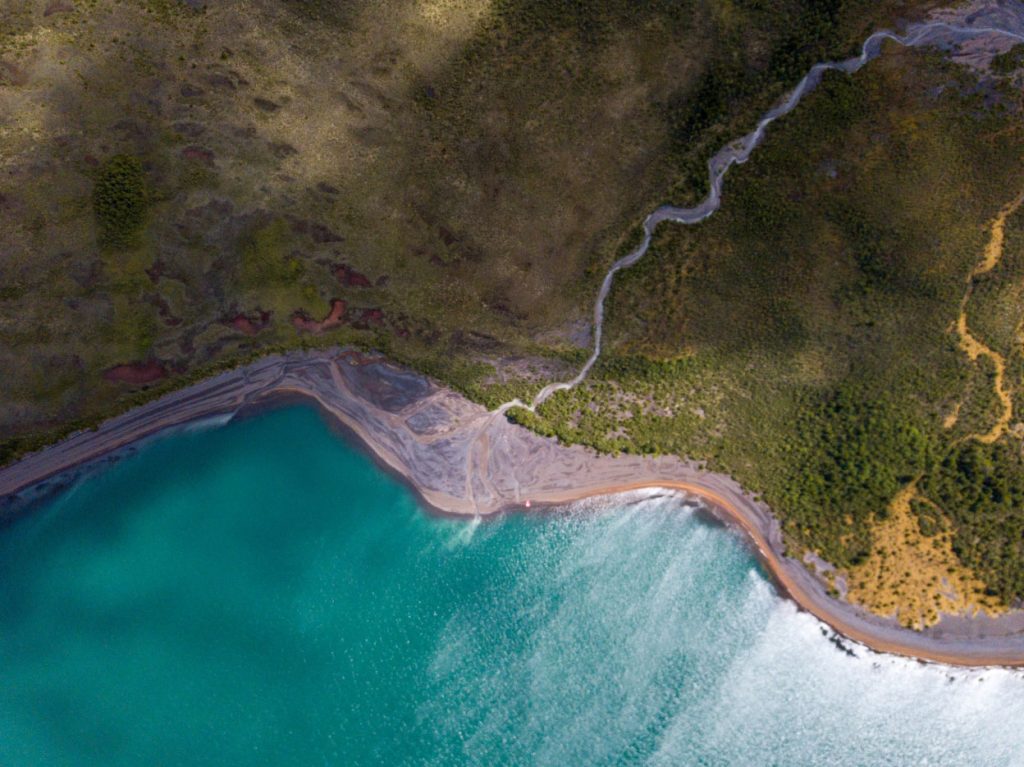
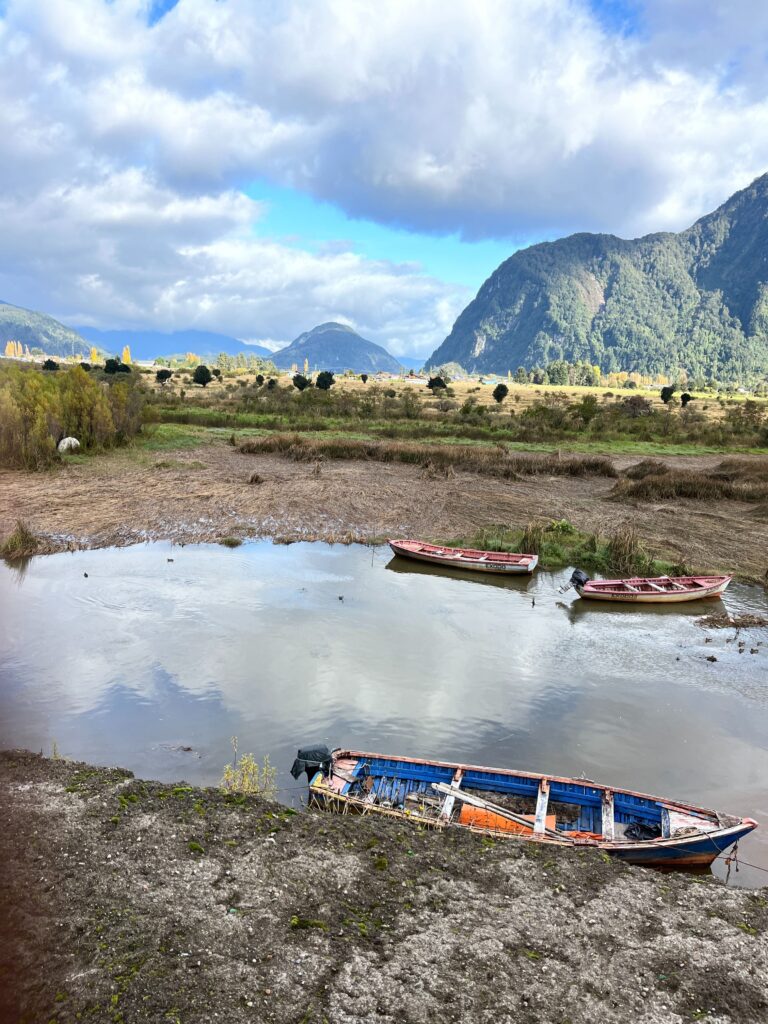
In the city of Puerto Aysén lies the Las Ranas Wetland, an ecosystem of high ecological and social value located within the urban area. The recent history of this natural space has been shaped by political advances and setbacks regarding its protection and management.
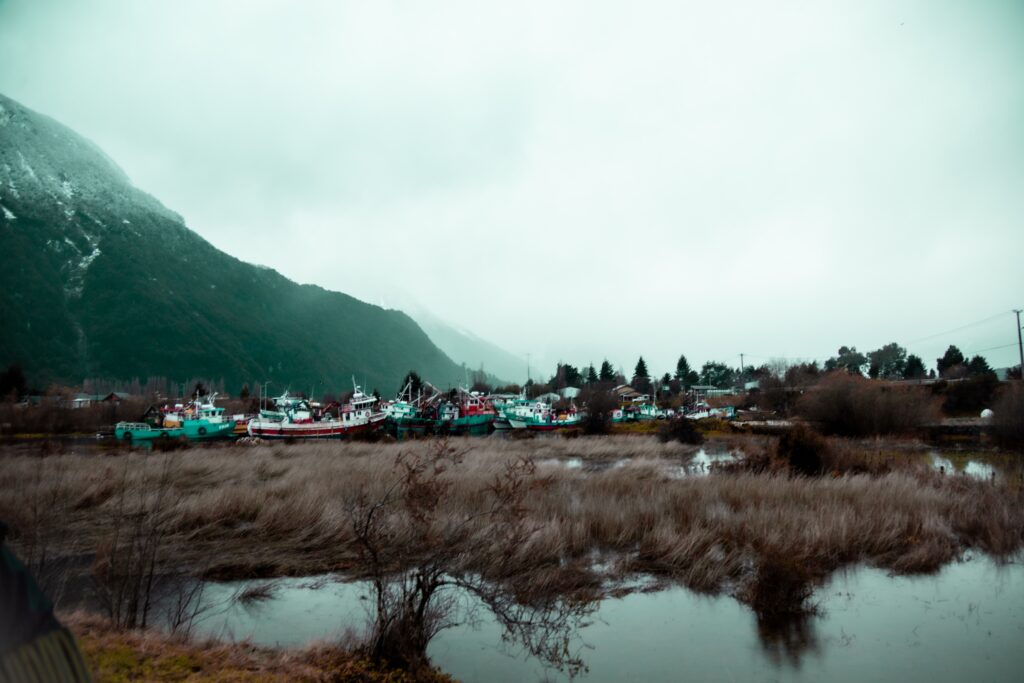
This wetland is not an isolated case. Puerto Aysén is, in essence, a city built on wetlands. As such, these ecosystems have been a constitutive part of both the landscape and everyday life. Living on wetlands is part of the Puerto Aysén experience and its territorial identity, even though this condition often goes unnoticed or has been gradually rendered invisible by urban development.
Las Ranas: An Urban Wetland
In 2024, the Municipality of Puerto Aysén began the process to have Las Ranas designated as an “Urban Wetland” under Law No. 21,202, which aims to protect these ecosystems when they are officially declared by the Ministry of the Environment, either on its own initiative or at the request of the respective municipality, in light of their environmental significance. This process was launched in order to ensure its safeguarding and to guide future conservation actions.
The designation as an “Urban Wetland” means, in practical terms, that the area receives official recognition of its ecological value and becomes subject to a special legal protection framework, which requires its conservation to be taken into account in territorial planning instruments and in the assessment of projects or interventions that could affect it. In this way, limits and criteria are established for urban development in its surroundings, seeking to reconcile the city’s growth with the protection of the wetland’s ecological, social, and cultural functions.
However, in 2025 the new municipal administration withdrew the application, arguing that there was insufficient technical information to accurately define the wetland’s boundaries and behavior. Beyond this technical consideration, it is clear that year after year this wetland plays a fundamental role in protecting the city from flooding by buffering the rises of the Aysén River; it also contributes to the recharge of underground aquifers and constitutes vital habitat for native wildlife—especially birds and insects—as well as for various plant species. Ultimately, it is a site of high ecological, scientific, and educational value for the community, functioning as a reservoir of biodiversity and a place to connect with nature.
There is some truth to the municipality’s argument regarding the lack of technical data. There have been no rainfall records for this wetland since 2009. “It is a nationwide problem: stations located in urban areas often end up being abandoned,” says Javiera Beltrán, geologist and coordinator of the School Science Outreach Program at the University of Aysén.
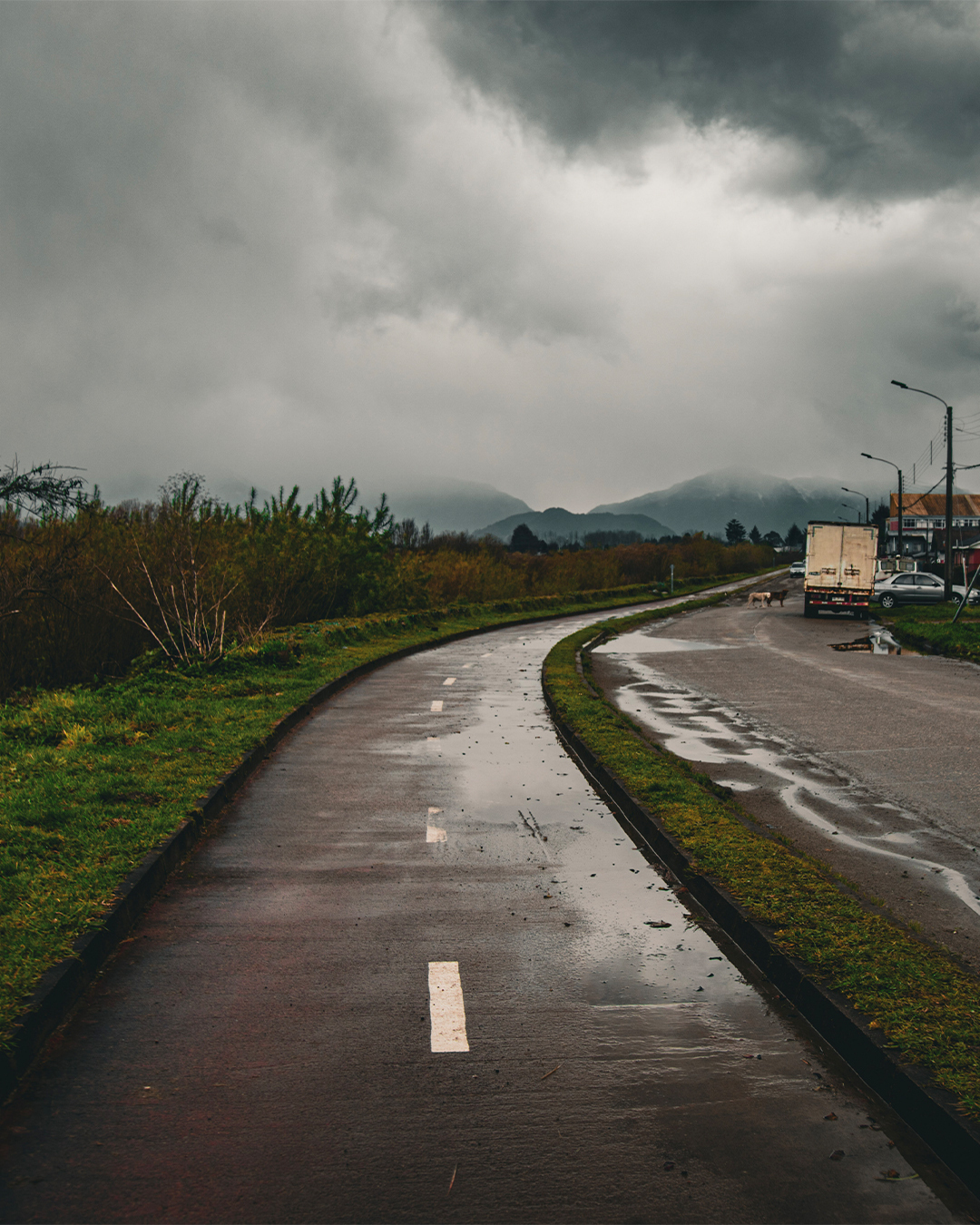





In 2025, motivated by the recent history of this wetland, we supported a field study together with Javiera. As part of her master’s thesis, she carried out a hydrogeological characterization that confirmed that Las Ranas is larger than previously thought and that it plays critical roles in regulating the surrounding hydrological system—84 hectares had been the former boundary, compared to the 142 hectares the researcher was able to delineate.
In addition, her research incorporated remote sensing technologies using satellite imagery and spectral indices, tools that made it possible to map the wetland more precisely while also revealing the ecosystem’s progressive deterioration over the past nine years, in a territory where hydrological information remains scarce.
Javiera’s work not only provides key scientific information for territorial management, but also reinforces the idea that wetland conservation, in general, is an essential measure for climate change adaptation and disaster risk reduction. Rather than viewing these bodies of water as obstacles to urban development, they should be recognized as strategic allies. Understanding this means acknowledging that caring for the natural environment is inseparable from the well-being of the community.
Javiera’s study is important and sets a precedent, but further efforts are needed to continue improving our understanding of the dynamics of this wetland. Deepening this line of research will make it possible to more accurately grasp its ecological functions and conservation status, providing the indispensable technical basis for responsible territorial management. In a context of climate crisis and growing urban pressure, producing local knowledge is a minimum requirement for making informed decisions, anticipating risks, and ensuring that this ecosystem continues to fulfill its role in protecting the city and supporting the well-being of its inhabitants.
Wetlands in the Global Context
The situation of the Las Ranas wetland is not an isolated case, but rather part of a problem of global scope. The Global Wetlands Outlook, in its 2025 special edition, sets out a transformative agenda and underscores the urgent need to recognize wetlands as strategic natural resources to ensure water and food security, climate stability, biodiversity conservation, and the resilience of human communities.
At the planetary level, the social costs of wetland loss are becoming increasingly evident: reduced access to drinking water, greater vulnerability to natural disasters, and rising greenhouse gas emissions. The economic value of wetlands lost over the past fifty years exceeds 5.1 trillion dollars, although this figure fails to capture their intrinsic value and cultural importance (Ramsar, 2025). While restoration is necessary, the evidence indicates that prevention is far more effective and less costly, since once degraded, wetlands are difficult and expensive to recover.
Despite their enormous importance, these ecosystems continue to disappear at an approximate rate of 0.52% per year (Ramsar, 2025). In this context, protecting local wetlands such as Las Ranas is not merely a decision at the municipal level, but part of a broader responsibility in the face of an environmental crisis that demands action with foresight and a sense of urgency.
References
Beltrán, J. (2025). Caracterización hidrológica del humedal “Las Ranas” como herramienta para su delimitación, conservación y gestión territorial, Puerto Aysén, Región de Aysén, Patagonia Chilena [Tesis de Magíster]. Universidad de Alcalá.
Convención sobre los Humedales. (2025). Perspectiva mundial sobre los humedales 2025: Valorar, conservar, restaurar y financiar los humedales. Gland (Suiza): Secretaría de la Convención sobre los Humedales.