Nature Sanctuary


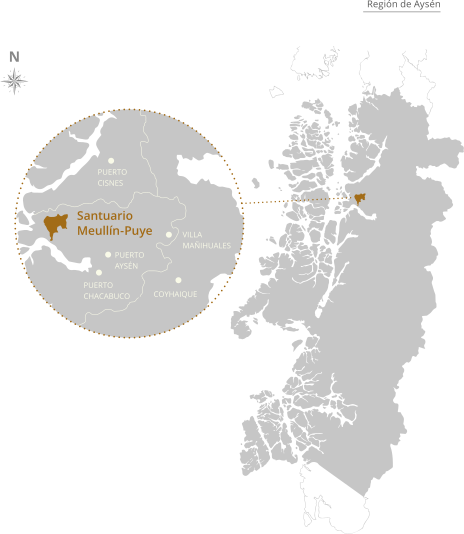
The Meullín-Puye Nature Sanctuary is a diverse nature reserve located in the Cuervo River basin, in the Aysén Region of Chile. This sanctuary is home to untouched water networks fed by glaciers that flow into the fjords, contain numerous wetlands, and a vast temperate rainforest of great ecological value that hosts native species of flora, fauna, and funga.
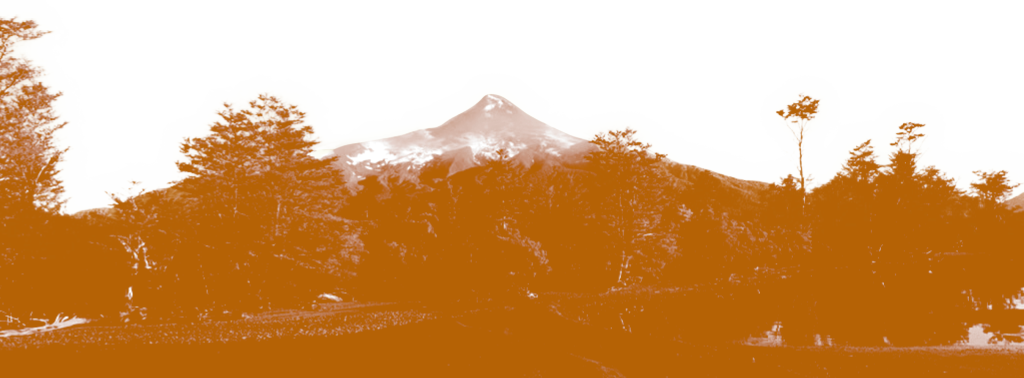
“Meullín-Puye is considered a natural laboratory, notable for its wetlands, rivers, lakes, forests, grasslands, and vast expanses of snow-capped mountains. All these ecosystems are home to a rich diversity of species”.
This basin is home to diverse pristine ecosystems that need protection due to their important ecosystem functions, including their role in regulating the water and nutrient cycle, mitigating climate change, and supporting biodiversity, all of which are essential to sustaining life.
Its territory is distinguished by a complex geography, shaped by the powerful effects of natural phenomena, among which volcanism, tectonic faults, and glaciation have played a leading role. Another important characteristic of this area is the apparent absence of fires, logging, or salmonid populations—events that have drastically altered the landscape of Aysén Patagonia in recent years.
These unique attributes reaffirm its potential for research, making Meullín-Puye a natural laboratory, distinguished by its wetlands, rivers, lakes, forests, grasslands, and vast expanses of snow-capped mountains. Furthermore, it is home to endangered or threatened species, some of them endemic. For all these reasons, the area has been declared a Nature Sanctuary to protect and conserve this important natural heritage.
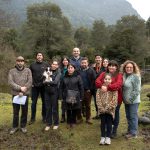
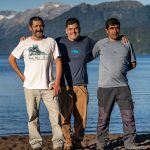
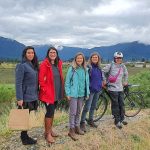
The local communities historically linked to this territory, whose cultural and natural identity has been built in close coexistence with the biological diversity that surrounds them, play a decisive role in the care and protection of the Meullín-Puye Nature Sanctuary. Their daily relationship with the environment, forged over time, constitutes an essential component for sustainability and the conservation of biodiversity.
“Local communities play a fundamental role in the care and protection of the territories and ecosystems in which they live”.
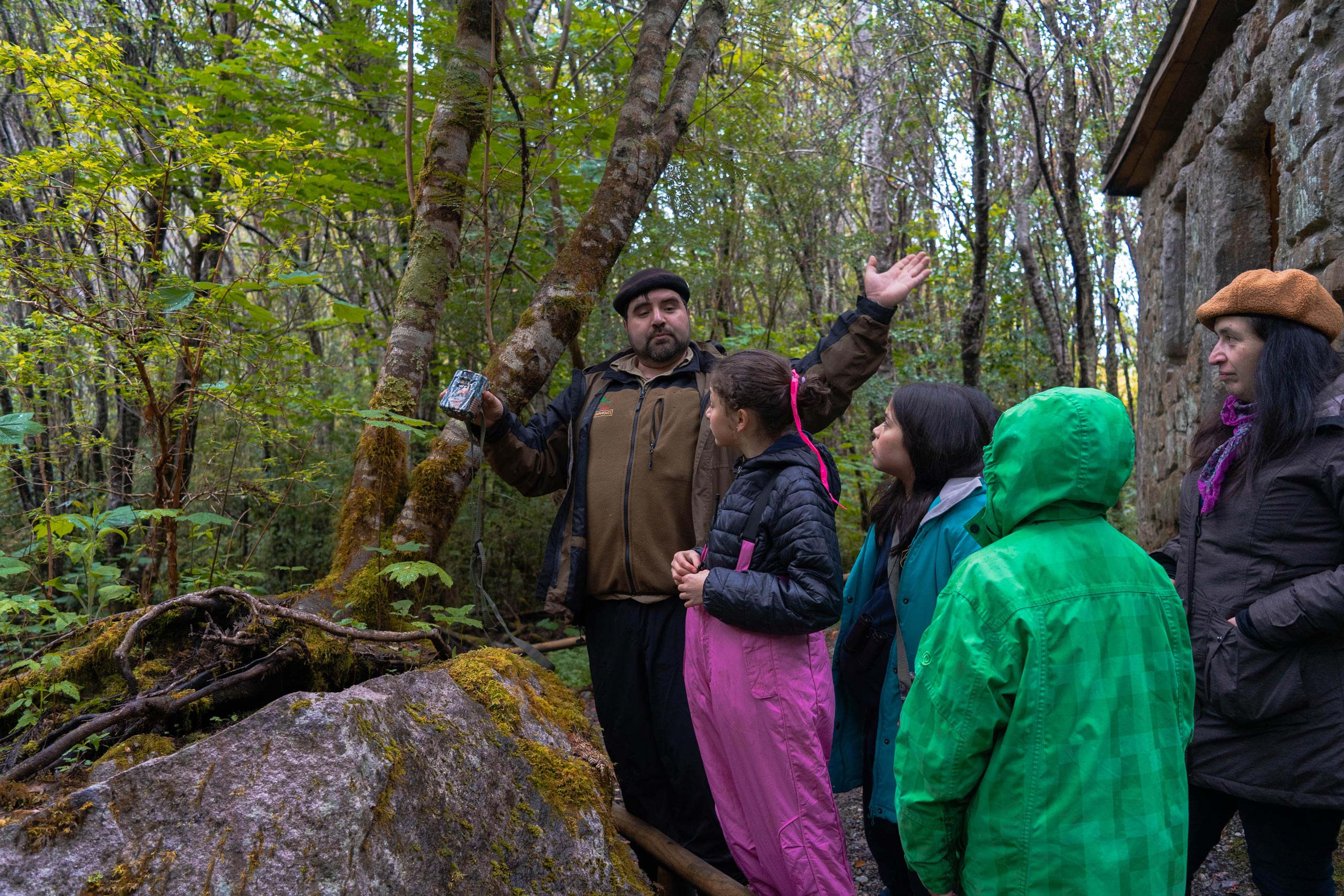
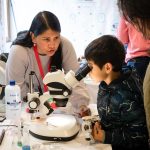
From this perspective, and using an ecosystem approach and nature-based solutions, the collaborative work between the Kreen Foundation and the communities, especially those of Río Los Palos and El Tabo, which are the closest to Meullín-Puye, is guided. In this way, we seek to strengthen interest in the natural heritage and thereby conserve this vital resource in this vast territory.

The area is notable for its vegetation cover, including dense mature native forest, evergreen forest, deciduous forest, and temperate Andean deciduous scrubland, where, for example, 13% of the national representation of Nothofagus antarctica, commonly called ñirre.
Forests cover 65% of the area and the dominant species in the tree stratum are Magellanic coihue (Nothofagus betuloides), lenga (N. pumilio), coihue from Chiloé (N. nitida), tepa (Laureliopsis philippiana) and Guaitecas cypress (Pilgerodendron uviferum). Among the companions in the tree stratum, it is possible to find canelo (Drimys winteri), tineo (Weinmannia trichosperma), sharp-leaved mañío (Podocarpus nubigenus), among other native flora and endemic species, some of which are endangered or threatened.
The good state of conservation of the forest communities in the Meullín-Puye protected area suggests that their key ecological roles and processes are very close to a pristine condition, contributing to their ecological resilience and response to natural disturbances. This is because there are no signs of recent human intervention, such as traces of logging or burning, practices that were common during forest clearing in the Aysén region during the 20th century.






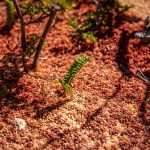
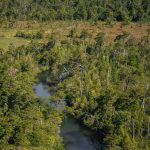



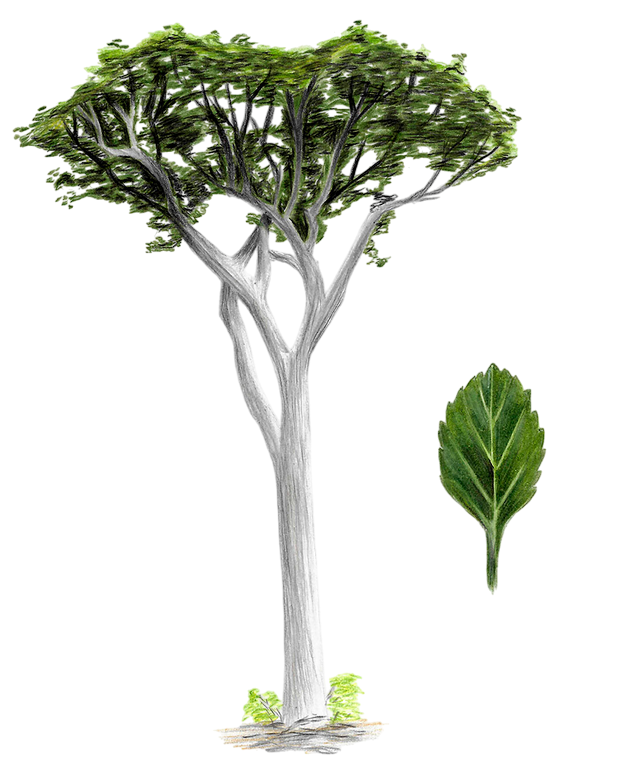
The Sanctuary has recorded 40% of the total species that inhabit the Aysén region: 11 species of amphibians, 77 of birds and 21 of mammals. Of these last two groups, 28 species are in some conservation category.
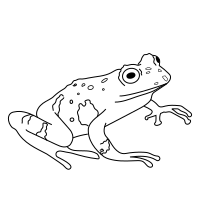
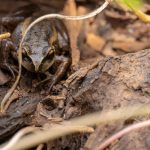
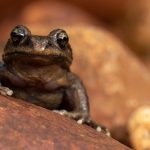
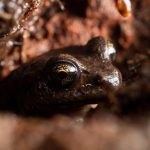
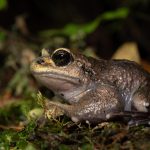
Among the most representative amphibian species in the area are: the variegated toad (Nannophryne variegata) and Darwin’s Frog (Rhinoderma darwinii), today endangered. The southern leaf litter frog is also present (Eupsophus calcaratus), in a vulnerable state, and of the tree frog (Hylorina sylvatica), among others.
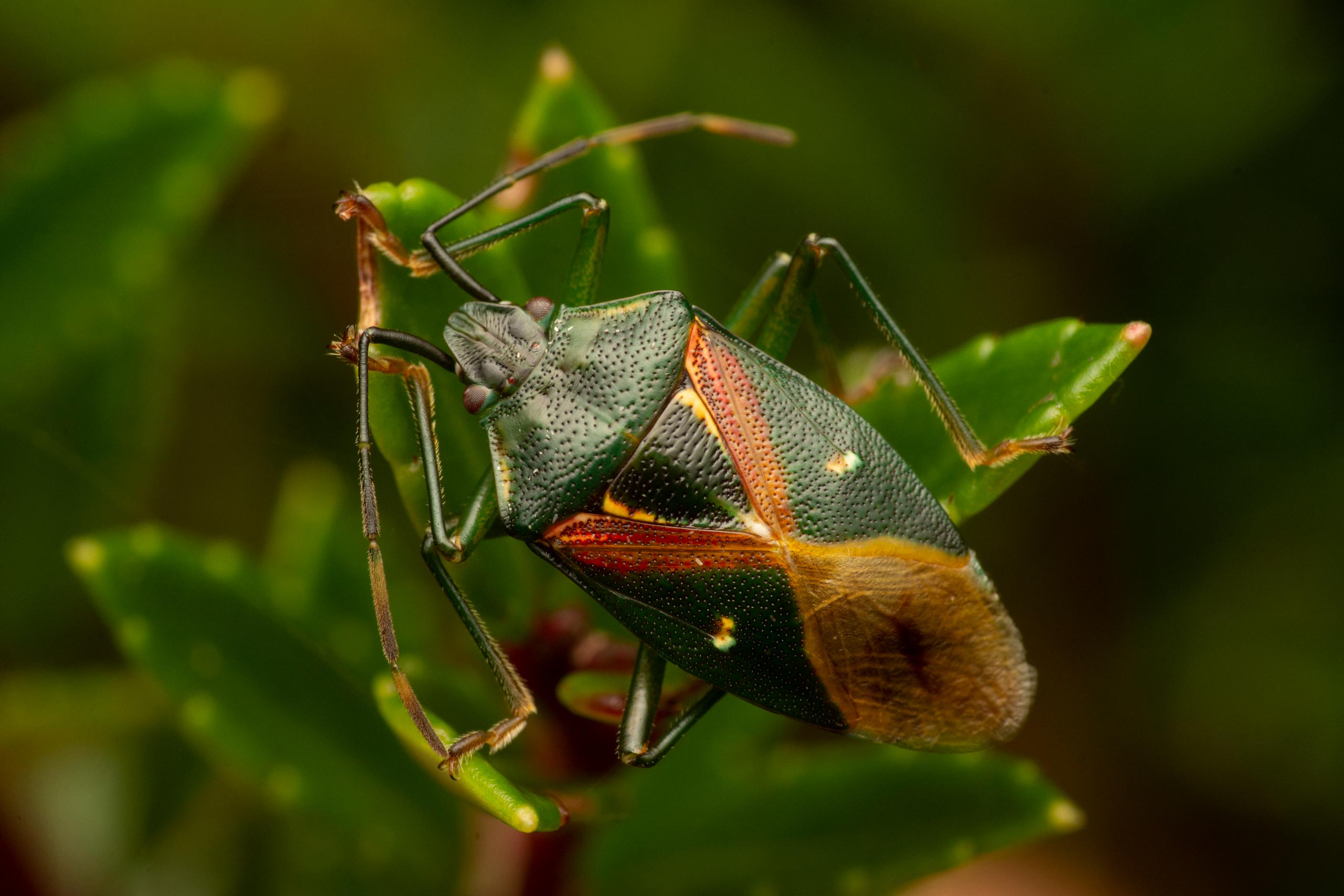
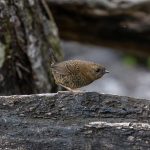

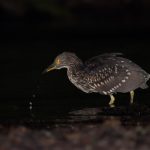
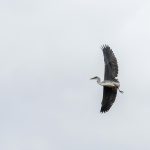
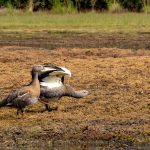
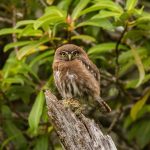
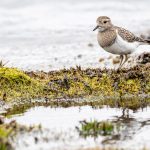
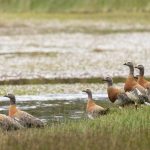
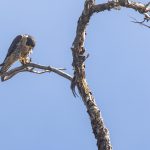
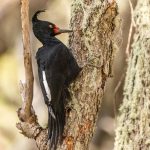
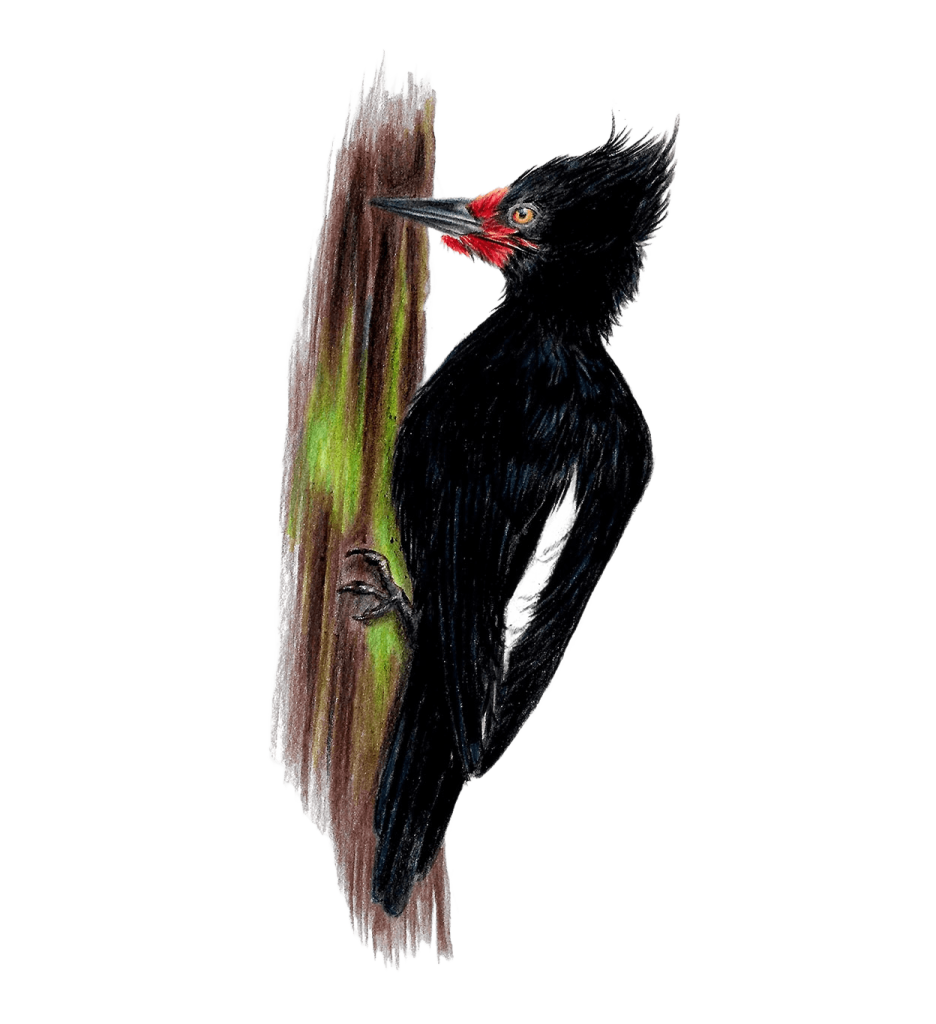
As for birds , there is a marked presence of Passeriformes, Falconiformes, Anseriformes, and Ciconiformes. Eight species are under some category of threat, including the Magellanic woodpecker (Campephilus magellanicus), the peregrine falcon (Falco peregrinus) and Magellan’s snipe (Gallinago magellanica). The distribution of birds corresponds to two large groups of environments: wetlands and high-altitude grasslands, on the one hand, and forests, scrublands and low-lying grasslands, on the other.
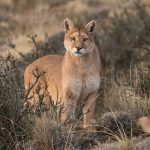
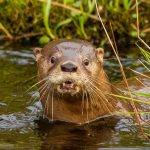
Among the mammals the small rodents of the Cricetidae family, such as the olive mouse, stand out (Abrothrix olivaceus), the long-haired mouse (Abrothrix longipilis) and the tree mouse (Irenomys tarsalis). There is also a presence of emblematic endangered species such as the pudú (Pudu puda) and the huillín (Lontra provocax), The latter is associated with the wooded shores and dense vegetation of Lakes Meullin and Yulton.
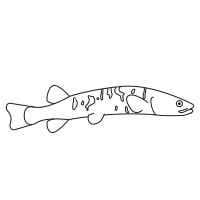
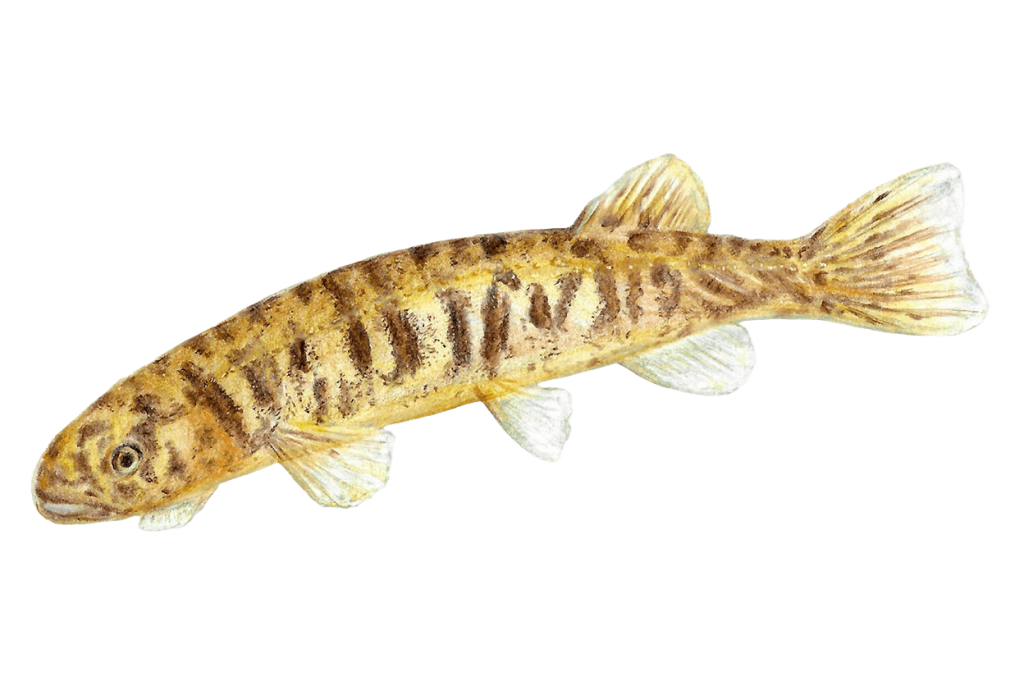
Finally, regarding fish,native species such as the sea bass have been identified (Eleginops maclovinus) and the big puye (Galaxias platei), along with other freshwater fish such as the puye chico (Galaxia maculatus) and different species of peladilla (Aplochiton marinus, A. taeniatus), all under some degree of threat.
It is important to highlight that the Sanctuary is characterized by remarkable isolation due to minimal human intervention, especially in the Yulton and Meullín lake basins. This allows ecological processes and structures to remain in their natural state. Likewise, no domestic animals are found in the Cuervo and Marta river basins, and the presence of introduced wildlife is practically nonexistent, with the exception of the mink. (Neogale vison).
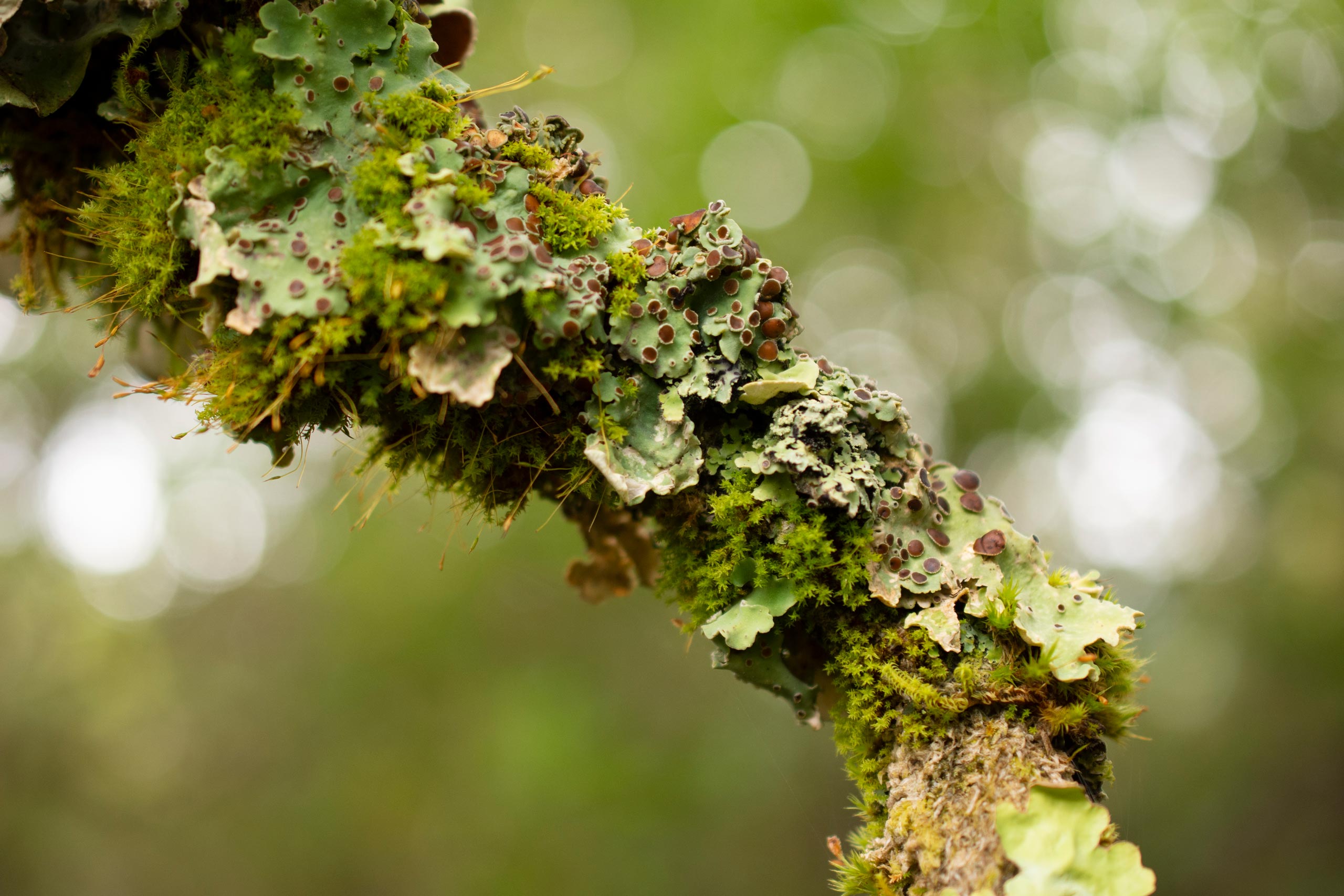
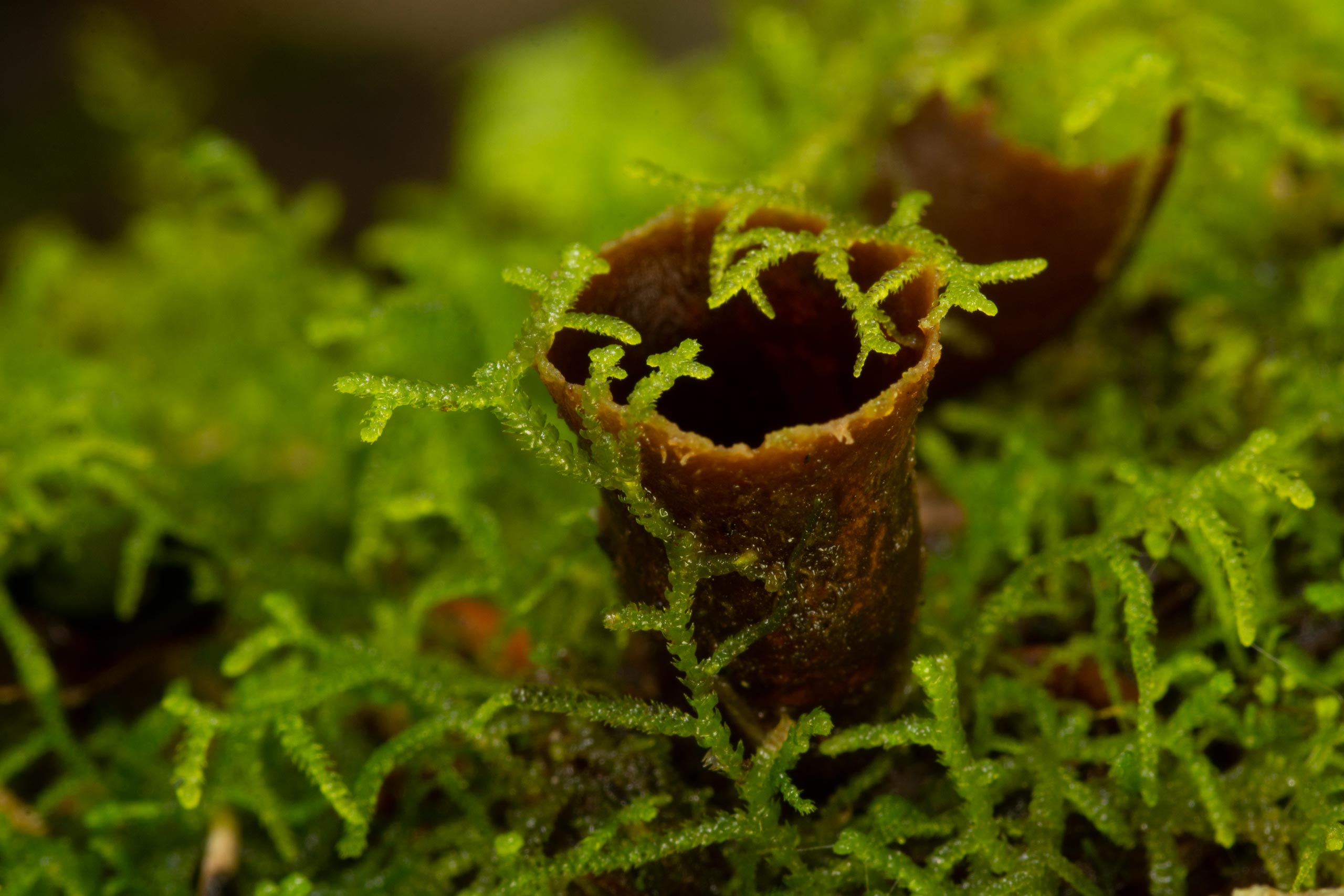
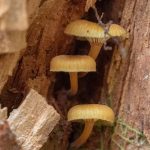
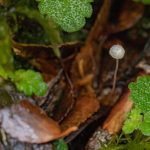
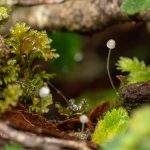
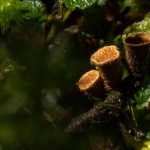
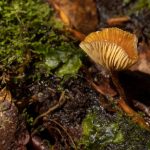
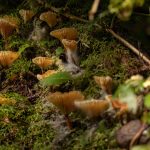
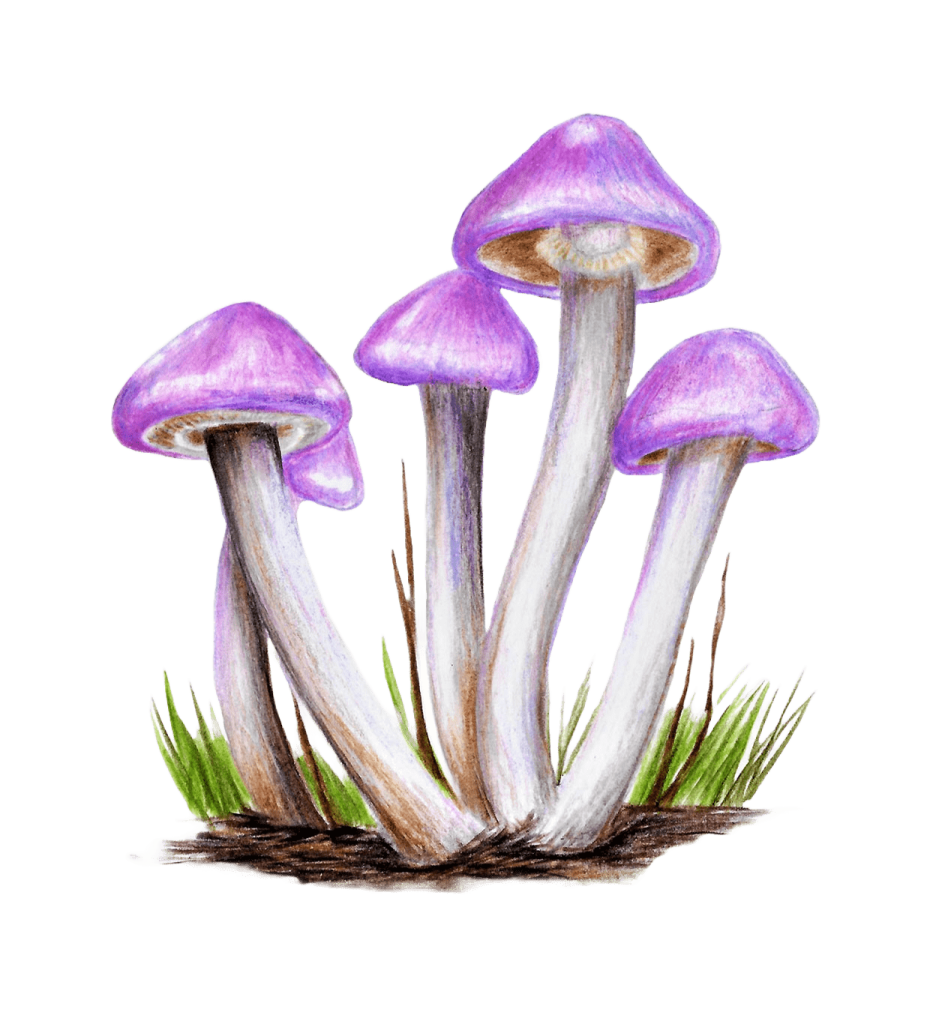
“A total of 145 species of macrofungi have been recorded within the territory of the Nature Sanctuary; these species are capable of producing large macrostructures visible to the human eye”.
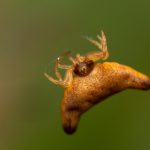
A total of 145 species of macrofungi have been recorded within the Meullín-Puye Nature Sanctuary; these are species capable of producing large and showy structures visible to the human eye. Of these species, 33 belong to the Phylum Ascomycota (22.8%) and 112 to the Phylum Basidiomycota (77.2%).
The greatest abundance of these groups is found within the Magellanic coigüe forests (Nothofagus betuloides), where 103 species of macrofungi were observed. 19% of the identified species correspond to rhizobionts, that is, species that live associated with the roots of trees, with which they form structures known as mycorrhizae.
Mycorrhizae are structures formed by the roots of a plant and the mycelium of a fungus. They function as an absorption system that extends through the soil, providing water and nutrients (primarily nitrogen and phosphorus) to the plant and protecting the roots against certain diseases. This connection demonstrates a close bond between the inhabitants of the sanctuary.

The conservation targets of protected areas can be: genes, species, populations, vegetation formations, ecosystems, ecosystem services, nesting or breeding areas, habitats, relict forests, scenic beauty, archaeological or anthropological findings, geological outcrops and landforms, bodies of water, and fragile or degraded soils.
Within the framework of the Meullín-Puye Nature Sanctuary Management Plan, six conservation targets were defined in collaboration with the community, social organizations, and public institutions. These are representative elements—species, communities, and/or ecosystems—that have been identified as the focus of conservation for this project and are therefore subject to monitoring.
The Management Plan is a management tool that defines conservation actions, governance, and financing for a protected area, enabling the conservation of the territory and its ecosystems based on scientific evidence. It also defines a set of actions to promote the participation of local communities as stewards of nature.
The Kreen team submitted the Management Plan to the Ministry of Environment in July 2025 for evaluation, following the methodology of the Open Standards for Conservation Practice version 4.0, proposed by the Alliance for Conservation Measures (2020). It was also based on the document Manual for the Management Planning of Protected Areas from the National Forestry Corporation (CONAF, 2017), published by the National System of Protected Areas (SNASPE). Under these parameters, initiatives were promoted to foster territorial engagement, consultations with specialists, and meetings with public services, whose voices and perspectives have been key in developing a representative Management Plan.
This document outlines strategies and activities for the conservation of both the territory encompassed by the Sanctuary and the Cuervo River basin. Some of the topics addressed include: managing the Sanctuary’s use for research and monitoring, preserving biodiversity, engaging with the local community, and preventing and/or managing sources of environmental pressure, among other aspects relevant to short-, medium-, and long-term conservation.
“The Management Plan aims to protect natural biodiversity along with the ecological and environmental processes that sustain Meullín-Puye, promoting conservation, research and education”.